
Self expression and its conflict with the work environment
Mariah Foley Staff Writer
Every generation, young people find a new way to express themselves by changing their appearance from the former generation. Luckily in the US, discrimination against those with tattoos is protected by First Amendment rights to freedom of speech and privacy. No federal law prohibits employers from firing a worker based on his or her appearance, but if a tattoo is religious, then it is illegal to discriminate. A job generally will not fire you for having a tattoo; however they often fire employees who do not follow dress code.
This generation, tattoo policies in the workplace have become adaptive to the amount of people trying to work with tattoos. Since over a fifth of Americans (23% according to a Pew research poll) are reported to have tattoos, dress codes generally ask professional employees to cover up tattoos with clothing, makeup, or bandages.
Many Pierce College students have heard that getting ‘inked’ will affect the likelihood of one getting, keeping, or losing a job. “As long as tattoos are not offensive, gang related, or negative, an employer won’t care,” says employed Pierce student Emily Sobran. “If your boss asks you to cover it, then cover it, and you have nothing to worry about.”
The acceptance of an inked worker is also based on the nature of the job. For example, if one works at a warehouse and does not interact with customers, or if one works as an artist or designer, the tattoo policy is more likely to be lax than a profession where business is very much dependant on the professional appearance of the workers, such as a doctor’s office or a realtor company.
On the bright side, even in professional environments such as corporate, medical, and educational industries, tattoo policies have become lax because employers have come to realize that people with tattoos are no longer jailbirds, gang members, or criminals. In 2013, most of those getting tattoos are merely expressing themselves.

Justin Asahan- Works on base and never gets hassled to cover his tattoo. However, his gauges and piercings are not acceptable.
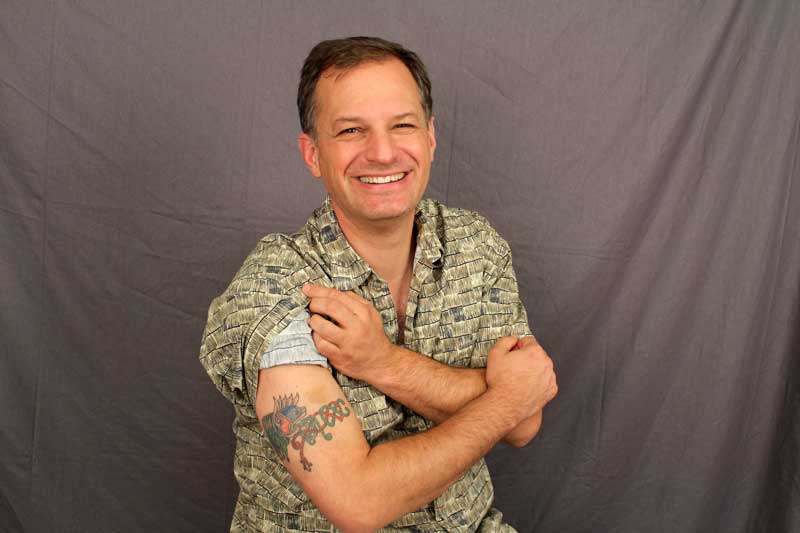
Tom Link- This professor shows his Celtic tattoo. He plans to get another tattoo on his other arm. He says he hasn’t been “harassed or told to cover it up,” yet.

Shaila Beal- In reference to her tattoos, Shaila says, “They’re my artwork that I can take off the paper and bring with me and I have the stories of my life.”

Deleesha Harris- Is not currently employed, but states that she “wouldn’t have a problem with covering them up.






Corneliuscraft • Oct 1, 2015 at 6:31 AM
This is me