See the Stars
The Astronomy fair shares its knowledge and passion with the youths of Lakewood
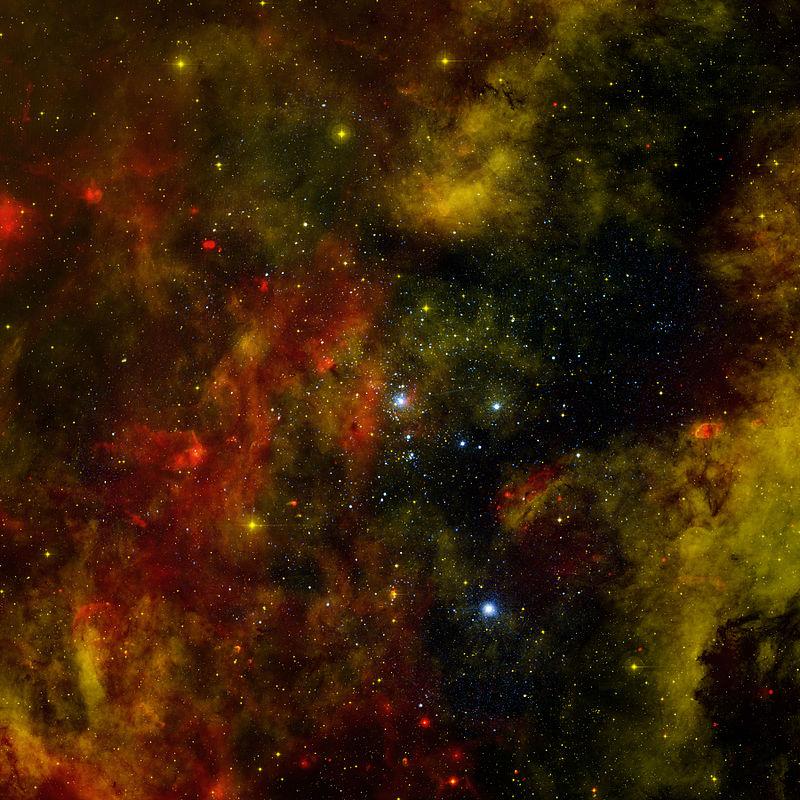
Picture of Cygnus
July 7, 2026
Most people remember looking up at the stars and pondered it’s mysteries. On August 2 the this wonder was renewed at the Pierce college. A local Astronomy fair opened to students and the public. At this fair they were teaching Astronomy and many things related to it.
The fair was located outside the Rainier building at the back of the campus along with inside the main commons near the Science dome on the second floor where the Tacoma Astronomical Society sponsored and ran the event.
This event was headed by the Head of the Tacoma Astronomical Society, John Pettit. The group has been around since 1931 and has been recognized by NASA for their outreach program. They work mainly around the College and also advise on Astronomy gifts for those wanting, but lack the knowledge.
In the beginning of the event people could look through telescopes into the sun and observe the flares on it’s surface. These telescopes had a special filter to protect the eyes from the intense light of the sun.
Along with seeing the flares and changes on the sun there was a demonstration where comets were made. This was accomplished by taking dirt, water, soda or maple syrup and rocks and mixing it with dry ice. They compressed it until it was solid and froze. They explained comets were more accurately described as dirty snowballs and other things that people see in comets.
Along with the demonstration about comets there was another booth about the moon and craters. Here they taught how craters were made and had a demonstration with a box of sand and various sized rocks.
Around 3 P.M. a presentation dispelling the rumors that the moon landing was faked. Theories such as no stars in the picture and the flag waving in the video were dispelled. Then accompanying it at 4 p.m. was a presentation on the moon. In there they talked about how the moon affects our tides and that though it may seem close it’s actually very distant. Many people go to see learn how it was made and the chance to hold a moon rock.
The Science dome featured a special feature at 3 called “Chasing the Ghost Particle”. In this video they tell about how they are searching for a special particle called a neutrino. These neutrinos are high energy particles that are emitted in intense situations, such as Nova bursts and Binary bursts, which are star explosions. People could attend this first time feature or frequent the booths. Children were given the chance to make scale models of our solar system. They used strips of long paper and they were colored in by the kids attending the event.
At this point there was a pause in the event for people to go home and get dinner along with other things that a family person would need.
Later, at 9, there was a presentation on the history of space exploration. In this video they told some specifics on the probes N.A.S.A. has sent out and some information on how it’s made.
Around 10, they were escorted outside for stargazing. Here people could see the constellations of our seasons along with Mars, Saturn, and other celestial bodies.