
Washington turns from Evergreen to amber
July 7, 2026
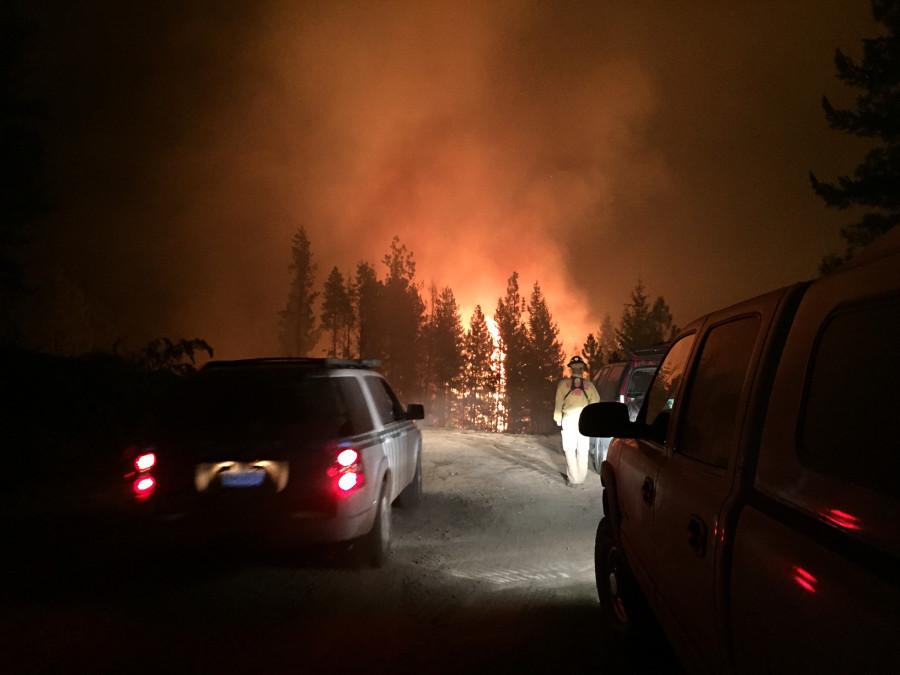
Washington State maps have been bleeding red and orange all summer. According to the Seattle Times more than 900,000 acres have already burned. This is more than twice as much as last year.
Cities and towns like Okanagan and Lake Chelan have been evacuated as the record-breaking fires blaze through. The Okanagan complex fire is the biggest fire Washington has ever had, beating last year’s Carlton complex fire.
This summer’s wave of heat, high winds and lightning contribute to the number of fires this season. Firefighters, the National Guard, and volunteers coming from Georgia to Canada have jumped into action trying to get the wildfires under control.
Although Pierce County has not suffered as much loss as the northern and eastern counties in Washington, it has still been affected locally. Pierce College has both faculty and students who have been deployed to help with the crisis.
Vivian Eason, an instructor for the emergency management program at Pierce, had just finished turning in final grades when she was deployed.
Eason is working as an emergency management coordinator in Ferry County. Eason said emergency management coordinators “support the sheriff, firefighters and community. We are like FEMA on a local level only without a lot of money. We support the guys fighting the fires.”
Eason had been tracking down blankets for firefighters in Republic. Although they welcomed the rain they did not have time to prepare for the shift in weather.
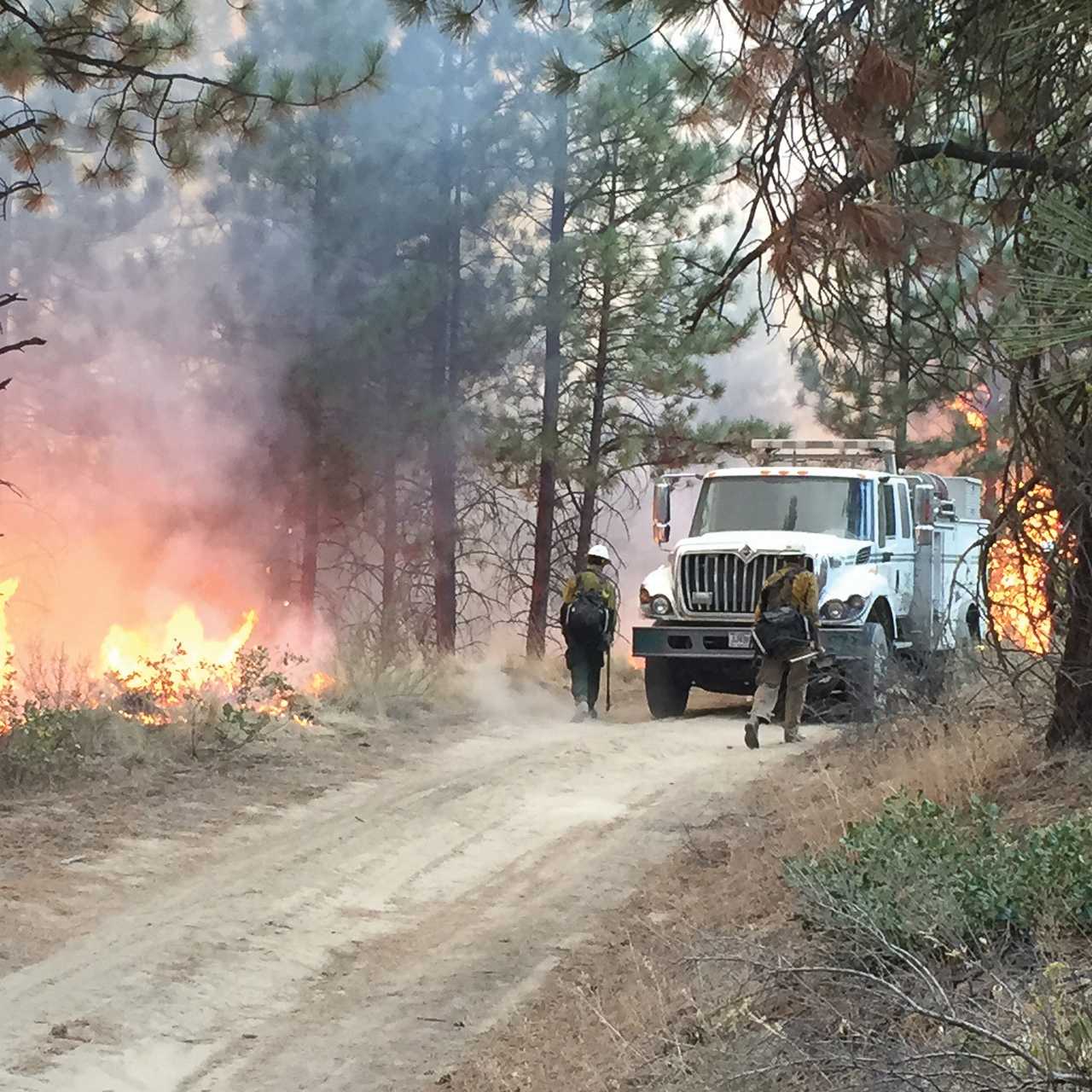
The firefighters are working on protecting houses and land from the North Star fire, which is made up of two smaller fires combined that have already consumed 350 acres. So far they have been able to protect the people and their homes. Eason said that even so, Republic is a tourist town and it will take quite for their local economy to recover. Emergency management also helps cities Republic apply for aid to help recover from losses.
With so much going on keeping track of relevant information and finding ways to help can be difficult for students. Eason shared that the best place for students to find information would be through social media such as Facebook and Twitter.
“To find the best reputable sources, search for the county’s official Facebook page or other pages like the Red Cross or Puget Sound Energy,” said Eason. She explained that online sources and social media are updated more frequently so they are more likely to be relevant. She also encourages those who want to volunteer to go through organizations like the Red Cross and FEMA to get properly trained and certified.
“Volunteering your time and money are the most helpful things you can do right now,” she said. They do not have enough time and man power to organize donated items.
Steve North, a local fire chief and instructor in the fire command program, was deployed before just before summer quarter began. North has been involved in the management of multiple fires this summer including the Highway 8, Okanagan Complex and the Black Canyon fire that is now a part of the Chelan Complex fire. He serves as a division supervisor and is responsible for supervising firefighters and resources assigned to a specific area of the fire.
North was touched by the deaths of the three USFS firefighters, Tom Zbyszewski, 20; Richard Wheeler, 31; and Andrew Zajac, 26 on the Twisp fire.
“These three firefighters had been working for me and had been released from the Black Canyon fire only a few hours before the tragedy occurred. The remainder of my Division was comprised of USFS engines and personnel who were friends and coworkers of those that were killed. This was a very dark day on the fire line.” says North.
North said experiences this summer changed his outlook on his job. “While exhausting, the fires reinforce my opinion that I have the best job in the world,” North said. “I’m afforded the unique opportunity to help those in need while working in a dynamic and sometimes confusing environment. Bringing order to chaos is a very rewarding experience.”
Firefighters and volunteers are still battling fires throughout the Pacific Northwest. With the rainy season on it’s way, it will bring a strategic relief in the battles they are fighting.