
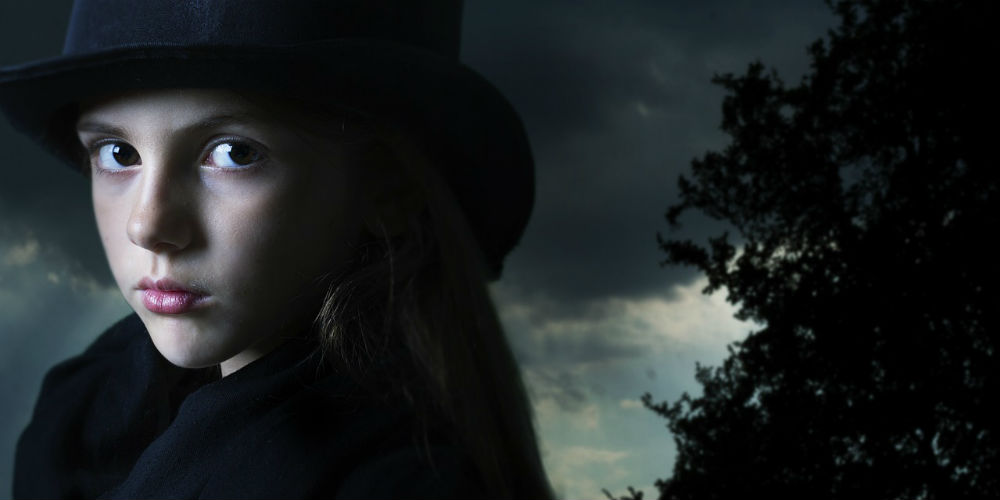
Halloween brings out the fear inside the mind
Fear is not only the brain's response to potentially dangerous stimuli, but it is a sensations that many crave
July 7, 2026
Many enjoy this Halloween for the candy and costumes, but this holiday has become known for its affinity to scare. What is fear and why do many enjoy it so much? Tom Link, a professor of psychology, explains that the fight or flight sense of fear is found in the brain’s limbic system, which involves smell, learning, memory and emotions. “So the basic fight or flight response has basic memories that identify dangerous or not, and have an intense reaction. The problem is that it’s not always dangerous, it’s not always bad, it’s just new, different, and potentially bad. The neat piece [is that] the fight or flight is quick, it’s just outside consciousness, and it is the specific things we learn.”
Fear also stems from a slower part of the brain that produces anxiety stress and concern. Link uses an example of a roller coaster to describe this type of fear. On one hand, the good coasters at places like the Puyallup fair or Disneyland are new and have the change and movement that creates the thrill. However, because of the higher quality, the constant safety checks, and the ever-constant media coverage that alerts the world to anything that would have gone wrong in any of these places, the person riding the coaster is pretty certain that they are not going to die. On the other hand, the traveling coasters that are put up overnight in parking lots may be far less intricate, but they can instill more raw fear.
“The [smaller carnival] ride isn’t as physically intense, but you know it wasn’t double checked, you know it’s probably old equipment, right, so there’s a part of your head that’s going ‘I could get thrown onto the freeway’ and that’s what freaks you out,” said Link. Link explains that at this basic level, both fear and surprise are the same thing. For example, when throwing a surprise party for someone, the situation is different, new and has a significant potential for a problem to arise. In this instance, the sensation is either good in the form of surprise or bad in the form of fear.
“My dad was a big fan of horror films,” said Link, “but he always made the distinction between horror and terror. Terror is much more cerebral cortex. Terror is slow and patient and it builds towards it, it works with your expectations.” A scary movie, for example can build on terror as it misdirects you and leads up to a scary scene. A haunted house has things hiding in the shadows as opposed to vivid gore can prey on the mind, building terror.
“Horror is about blood. Horror is about graphics. Terror, you don’t even have to see a body,” said Link. He explains why some people enjoy the sensation of fear. “It comes back to [being] strongly about sensory system arousal and that fear and surprise are so close, they’re intense. And the intensity is more important. Some people argue that intense fear, intense anger, intense sadness and intense joy have as much in common with each other as they do with the mild versions of each. So intense joy is as close to intense fear as mild fear is to intense fear.”