The Ombudsman, Equal Ground For Both Sides
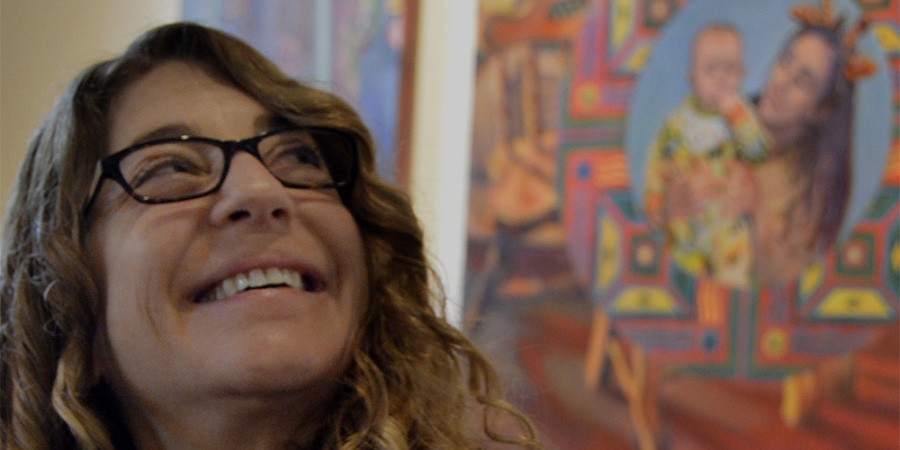
An Ombudsman, or Ombudsperson, is someone who has the approval of the Faculty President, of the staff, and the students; typically chosen from someone who is in the Social Sciences Department. Though they have no authoritative power to resolve conflicts, what the Ombudsmen can do is talk to all the parties involved and help people come to an agreement that helps both persons.
“The Ombudsman is more commonly used for disagreements among faculty,” stated by Jo Anne Geron, a Psychology Professor and Department Coordinator for the Business and Social Science Division and current Ombudsman at the Pierce College Fort Steilacoom Campus. Geron said it was difficult to describe the Ombudsman position, saying it was an informal position that doesn’t really have any kind of job description “It’s used mostly to mediate, or listen when there’s conflict.” she said, “It could be between staff, students, administration, it could be any levels.” Geron stated that it if the conflict is between two faculty members that one or both she knows, she will decide to have an Ombudsman from the Puyallup Campus come to resolve the situation.Geron clarified that when the problem is between a student and an Instructor, the student should approach the Instructor directly, or preferably talk to the Dean of Students if the worry is more of a problem. She then said, she very rarely would have to mediate for a student and a professor. “[The Ombudsman] is usually used between faculty and Administration.
Alan Kemp stated that the Ombudsperson has a positive influence on the people involved by usually by being a good listener and helping identify what each person wants from the situation, and try to look at what everyone’s needs are and tries to help them come to a mutual consensus. Kemp has a total of 8 years of experience as an Ombudsman, and served as the Ombudsperson last year for Pierce.
Some students at first did not have a clear idea of what an Ombudsperson exactly was, but once they learned what that position entails, some had mixed feelings about student’s needing to go to one. “I can see how a lack of respect for both sides could cause some problems,” Said Austin Garcia, a Pierce student studying for his AA, “Regardless of what’s going on, you should feel comfortable enough telling your professor what’s going on, at least your side of things, and hearing out their side of things.” Garcia went on to say that he felt that a lot of the professors at Pierce are pretty fair, “If there is a problem for the student withthe professor, it may be the student’s fault.”
Kemp discussed how students may have a problem with an instructor feeling like they might be being treated unfairly, that their grade is unfair, or might not feel comfortable talking to the Instructor directly, believing that the faculty member has more “power” than the students. “Students might be intimidated, they also might want a person who’s at equal footing with the faculty member.” Some students thought of approaching your instructor with an issue on their own as something students have to do as an adult, believing the Ombudsmen wouldn’t be needed for a disagreement of opinions. When Kemp was told this, he responded that it’s good for students to approach their problems head on, “However the reality is that sometimes students do feel intimidated and they don’t feel comfortable,” Kemp stated, “And if you don’t feel comfortable, you’re probably never going to resolve the situation,you’re probably just going to suck it up.”
Kemp concluded his response with, “It would be better if both the instructor and the student could handle the problem by coming to an agreement and walking away with their dignity in tact.” Kemp specified that another influence of an Ombudsperson is, “Often what a student is looking for, is they want to feel like that they are being heard, that somebody’s listening to their concerns, that they’re taking their concerns seriously, and that they’re doing whatever they can to solve the problem.” Michael Darcher, a professor for the Arts and Humanities Division at Pierce, said that he understood that teacher-student relations might be “less than harmonious,” and said that the student would start with “the most local source, which would usually be the professor herself.” Then saying, “Except in extreme cases where I guess the perceived infraction is serious. Where no chance of communication or resolvement exists.” Darcher then said, referring to if a situation calls for either the Dean or an Ombudsman, “But I think those would be few and far between.” Kemp concluded, “It is important for the Ombudsmen to be a good communicator, and for both parties to have a clear idea of what’s going on, and try to identify some possible areas of agreement so that some kind of resolution can take place.”
Amber Smith
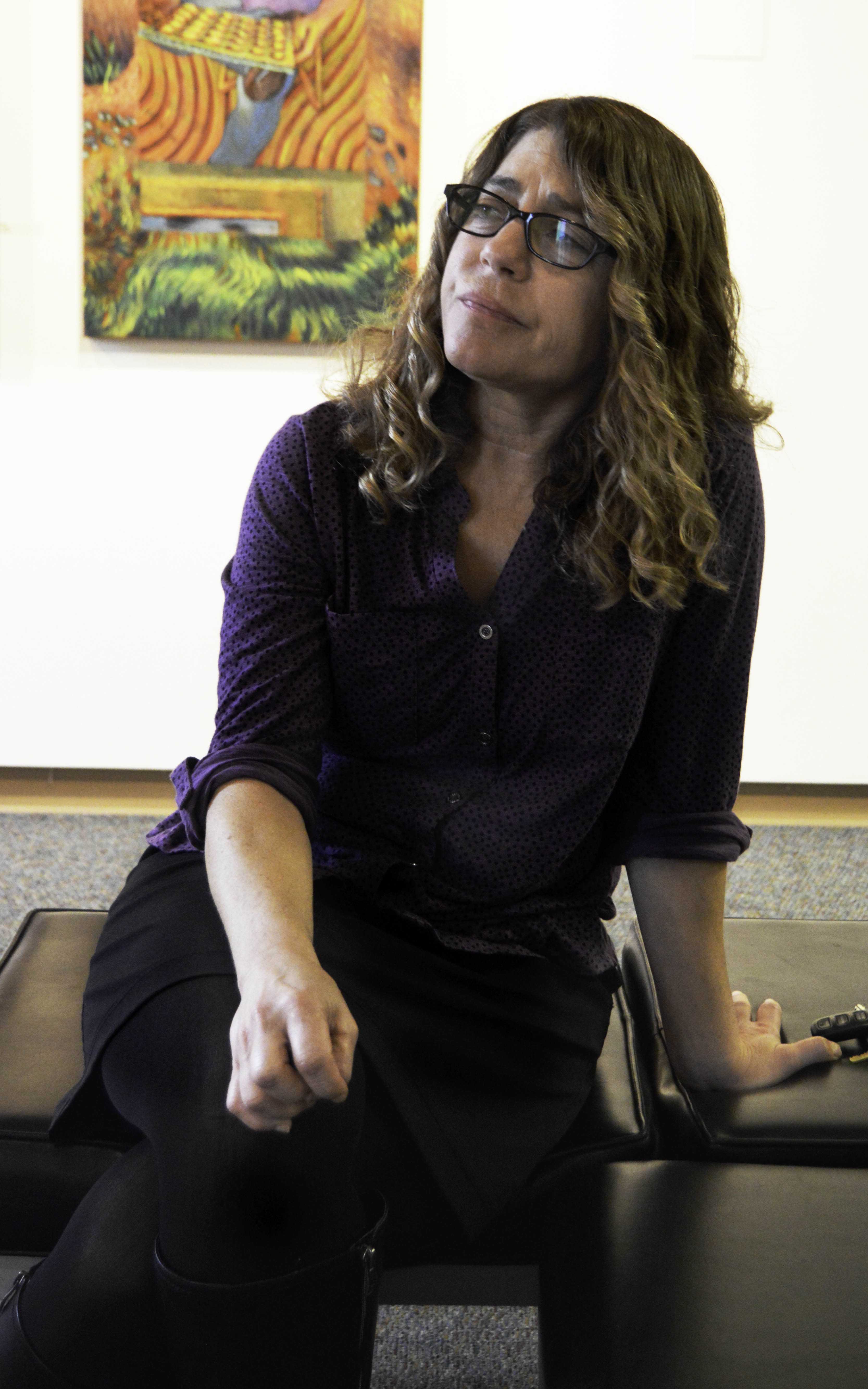
Jo Ann Geron is Pierce College’s Ombudsman. She is the designated person to help
students and faculty that may be having interpersonal trouble.