Page still loading
July 7, 2026
Potential changes coming to internet without
Net Neutrality
Net Neutrality was overturned in a ruling by the Federal Communications Commission (FCC) on Dec. 14. Yes, this is old news, but the impact of this decision on the internet is still yet to be completely felt. The internet has had a large impact on lives and culture since the mid-1990’s and has continued to change and evolve these past 20-plus years.
Net neutrality has also had a long history. The term was first used in 2003, but it wasn’t until 2015 when the net neutrality bill was introduced. During those 12 years, there exists a complex history and legal issues detailed at whatisnetneutrality.org.
This bill protects consumers from internet service providers from throttling or slowing down content on the internet. It ensures that companies don’t restrict bandwidth. The U.S. citizens have been able to enjoy almost two years of the internet under net neutrality. But all that could now change with the FCC’s ruling in December.
One of the purposes of the FCC is to protect consumers. However, FCC’s chairman Ajit Pai is a former Verizon lawyer. Verizon, Comcast and AT&T supported the repealing of net neutrality. These companies (along with other internet service providers) can benefit financially from the FCC’s ruling. Internet service companies have a long history of efforts to slow down areas of the web.
While the companies benefiting from the ruling may be looking at this as a financial issue, there is another important issue that Professor Brian Martin addressed. Due to throttling and possible blocking of websites of competing companies, what will it look like for websites that can’t afford to pay the higher cost for people to view their content? Perhaps it won’t be blocked, but if a page or video loads too slowly people may give up and move on to a different site. What will it mean for start-up companies? Or the next new piece of technology?
Martin said, “It’s got to be a fair and even playing field, otherwise [people] can’t compete.”
Joel Gavino, director of IT Integration at Pierce, said it is not yet known what ending net neutrality will look like. He believes that the changes will happen slowly. This is because “companies will try to mitigate litigation issues from their customers,” Gavino said.
Gavino said there is potential for internet service providers to prioritize the content that will make them money — and it could be volatile. For example, music content could stream faster, but then if the service provider thinks they can make more money by prioritizing sports content, they could slow down the music and prioritize sports games. It could change month-to-month or year-to-year.
He said he is concerned that some of the people most affected will be community college students. Because education content is not popular, internet companies could slow down content related to education, such as Canvas.
Another potential concern for the students is costs could increase. Companies pass that cost on to their customers. And since Pierce uses Microsoft Office for the college email, costs could increase. It could mean an increase in tuition or an added fee.
Gavino said, “Microsoft and Google will have no choice but to pay for prioritizing.”
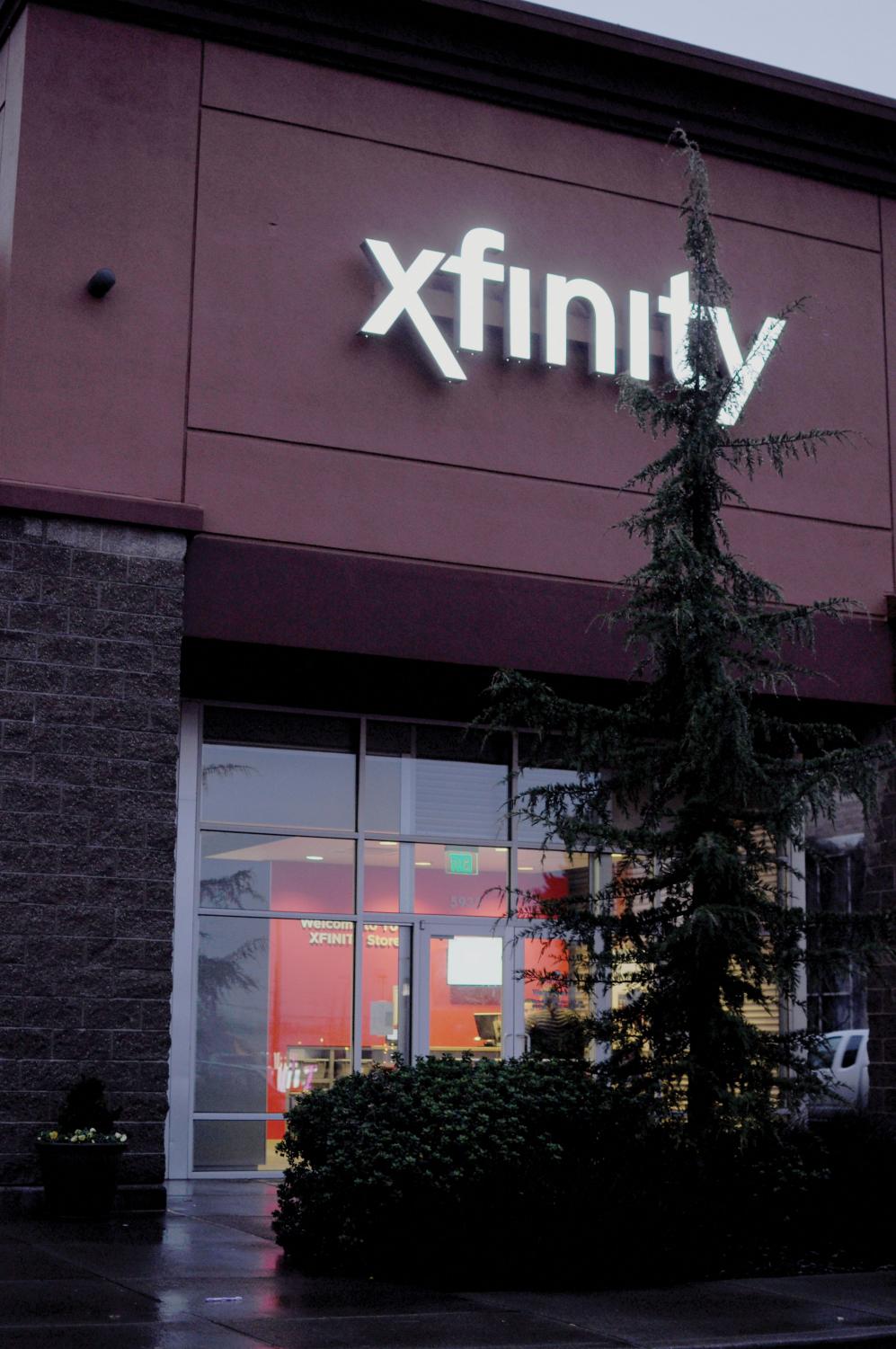
Local Comcast Xfinity employees would not comment on how ending net neutrality will impact customers internet service. Instead, customers are directed to their website for information. Finding information about net neutrality on the website takes some digging. Once it is found, it is clear that Comcast is against net neutrality, but their site gives very little information about the impact of the FCC’s decision.
The page on their site about net neutrality states “Comcast is committed to an Open Internet.
- We do not block, slow down or discriminate against lawful content.
- We believe in full transparency in our customer policies.
- We are for sustainable and legally enforceable net neutrality protections for our customers.”
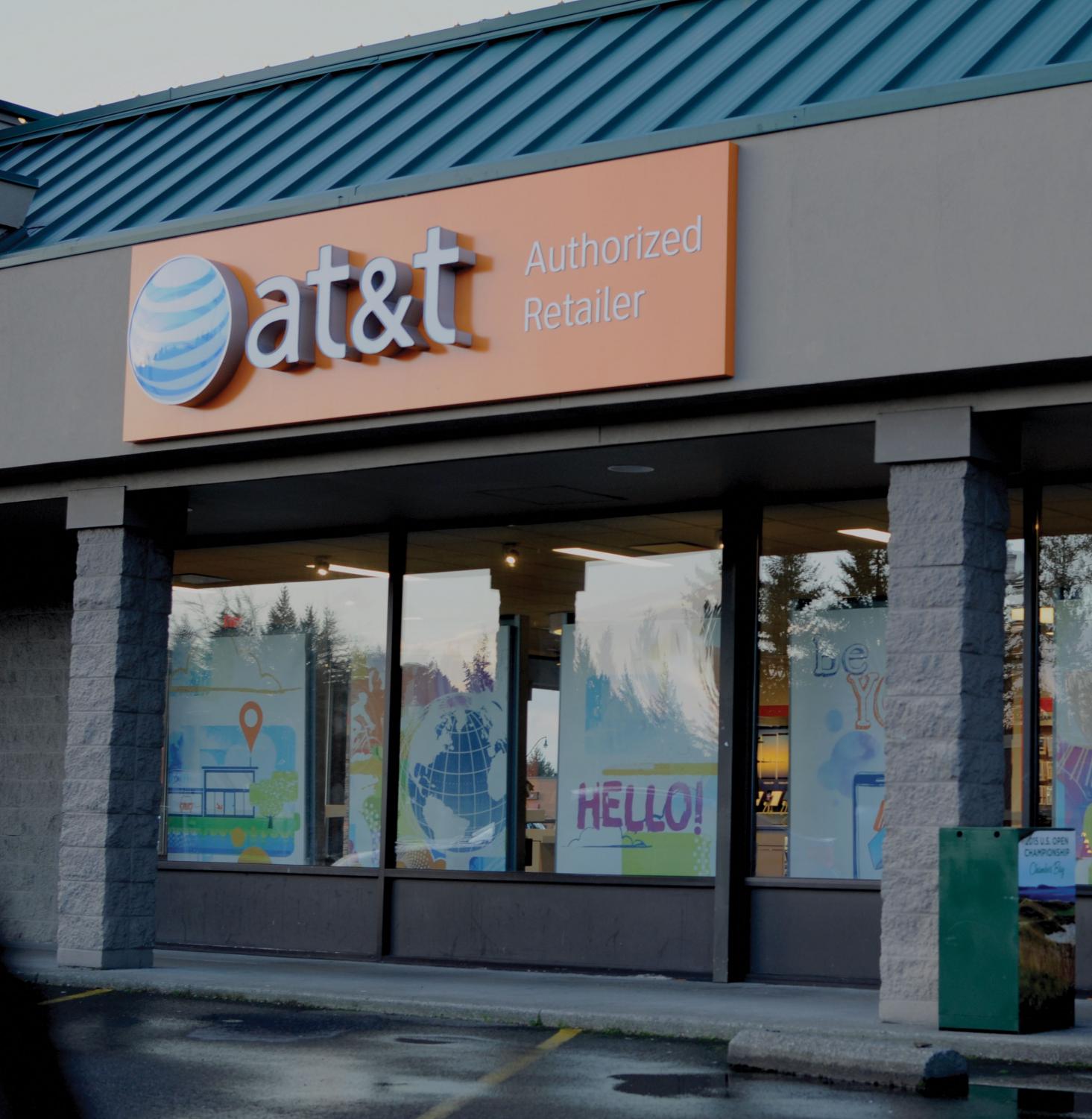
Courtnie Martin, store manager for a local AT&T store in University Place was much more willing to discuss the impact of net neutrality.
Martin (who is no relation to Brian Martin) said she sees the benefit of the FCC’s ruling as “beneficial to larger companies who can dictate the streaming.” She also said consumers are “losing [their] ability to choose.”
But Martin expressed concerned of her own. “We are consumers, too,” she said.
As a comparison of what the internet could look like without net neutrality, Burger King created a video and placed it on YouTube. It demonstrates what ordering fast food would be like if the same principles that are now governing the internet without net neutrality were used in Burger King. The video can be found at tinyurl.com/y7u5jdfu.
While one may not notice any changes to the internet yet, that doesn’t mean change won’t happen.
In regards to potential changes with the internet, Professor Martin said, “People will not notice until it is too late.”
Update: On Feb.9, Washington state passed House Bill 2282. It is headed to the Senate. The bill will prohibit internet service providers from throttling content on the web. It will also prevent internet service provides from creating fast lanes, which ensures that customers won’t have to pay higher fees for those fast lanes. The bill is sponsored by Rep. Drew Hansen, D-Bainbridge Island, and has more than 50 co-sponsors.
-
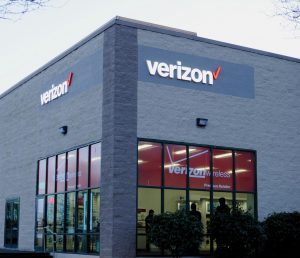
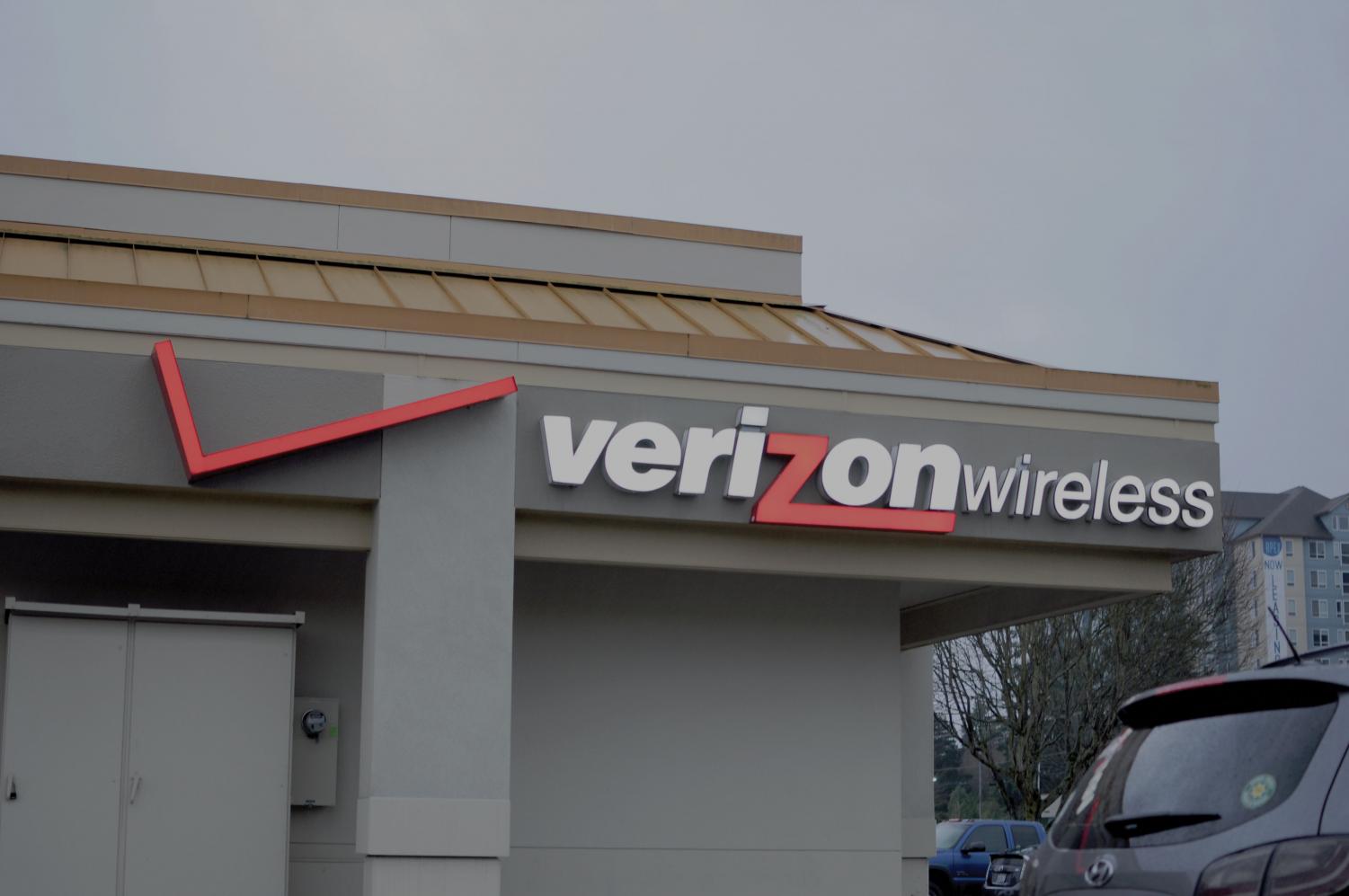
A local Verizon store located on 19th St. in Tacoma.
-
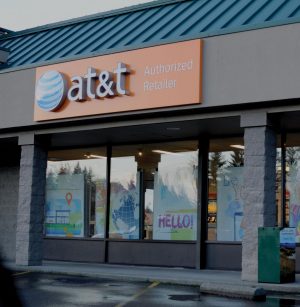
A local AT&T store located in University Place.
-
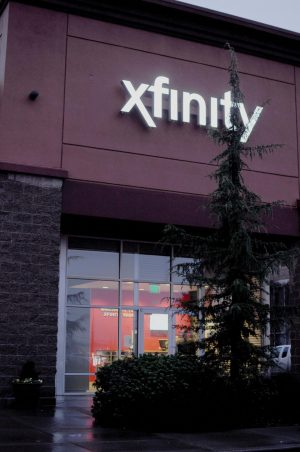
A local Xfinity store on 6th Ave. in Tacoma.
-
A local Verizon store located by the Tacoma Mall.
-
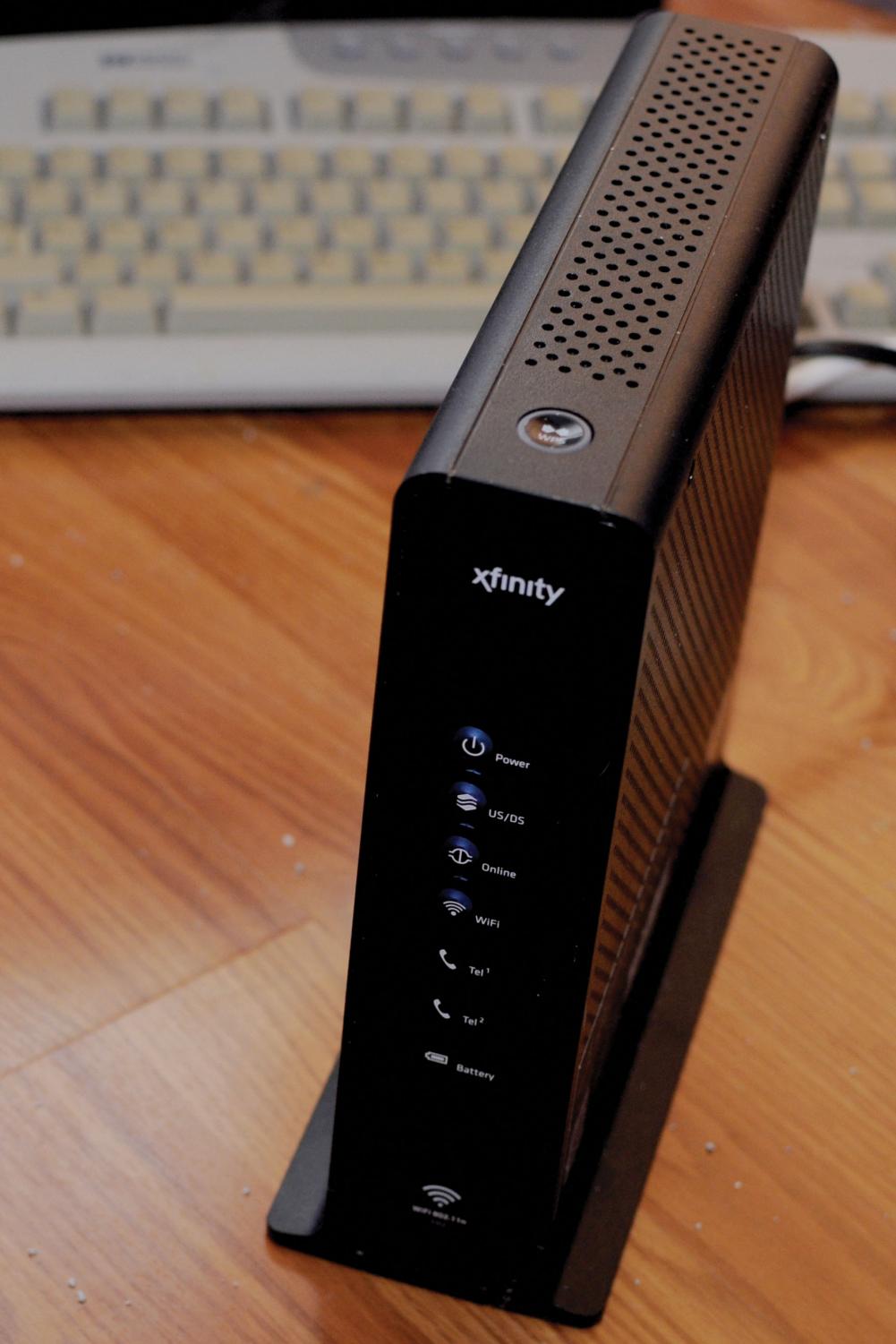
A cable modem that provides internet service through Xfinity.