Students exchange classrooms for a tour of Northwest Trek
July 7, 2026
Several weeks ago PC Student Life took a small group of students to Northwest Trek. It is a great place for families to spend observing and learning about the native wildlife of Washington. It is a 723-acre wildlife park located in Eatonville WA. Here, observers can see animals that are native to the Pacific Northwest.
Northwest Trek is a wetland with many lakes which sustain aquatic as well as land-based animals. In 1971, Dr. David Hellyer and his wife Connie decided to set aside their vacation property in Eatonville for a wildlife preserve, according to Northwest Trek. The Hellyers were avid naturalists who wanted the public to enjoy the wildlife as much as they did.
It officially opened in 1975 and has continued to be one of Washington’s most eminent public parks. A few decades later, an additional 100 acres along the northern border was purchased to protect the tram route from residential development near the park.
-
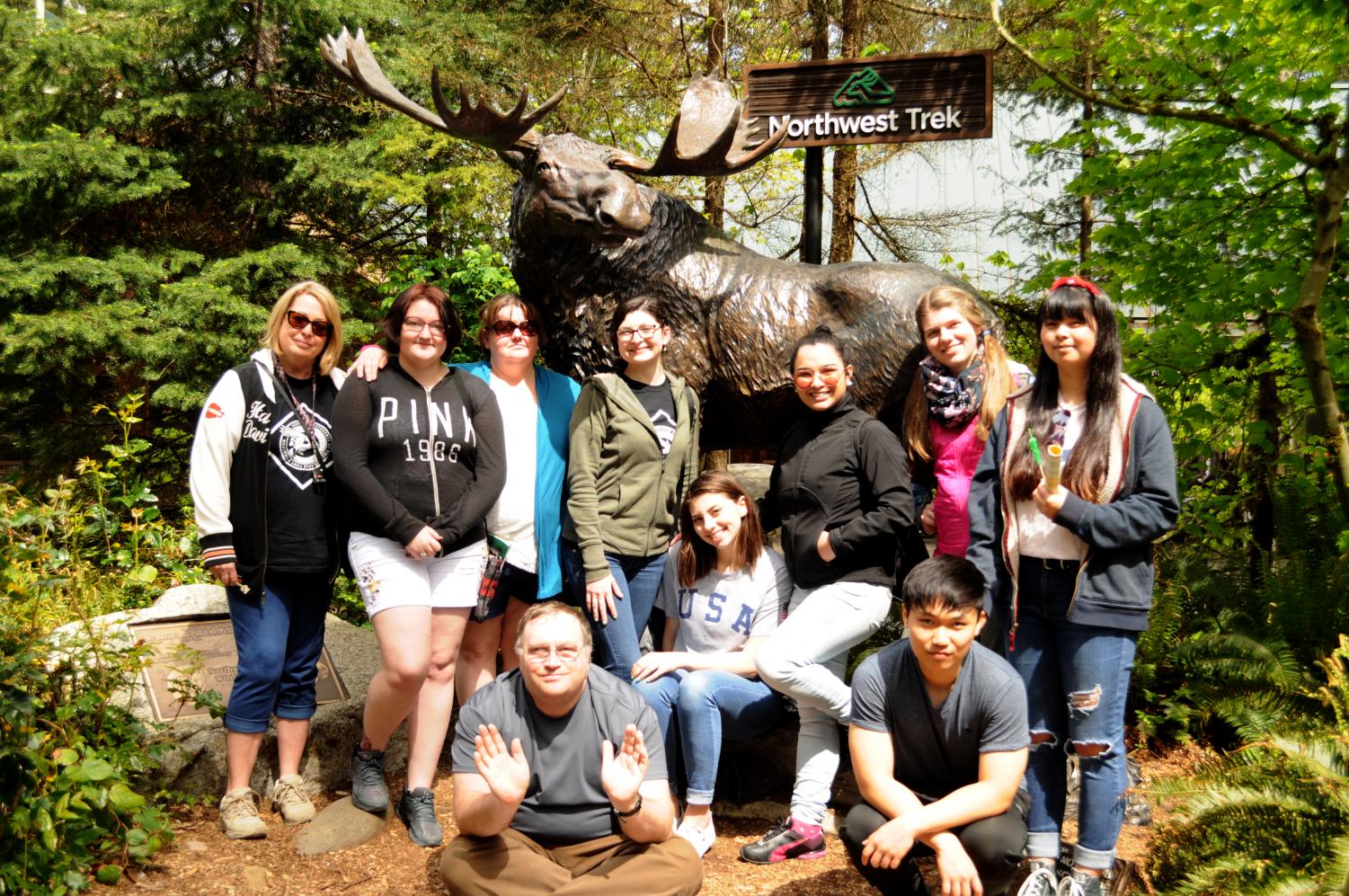
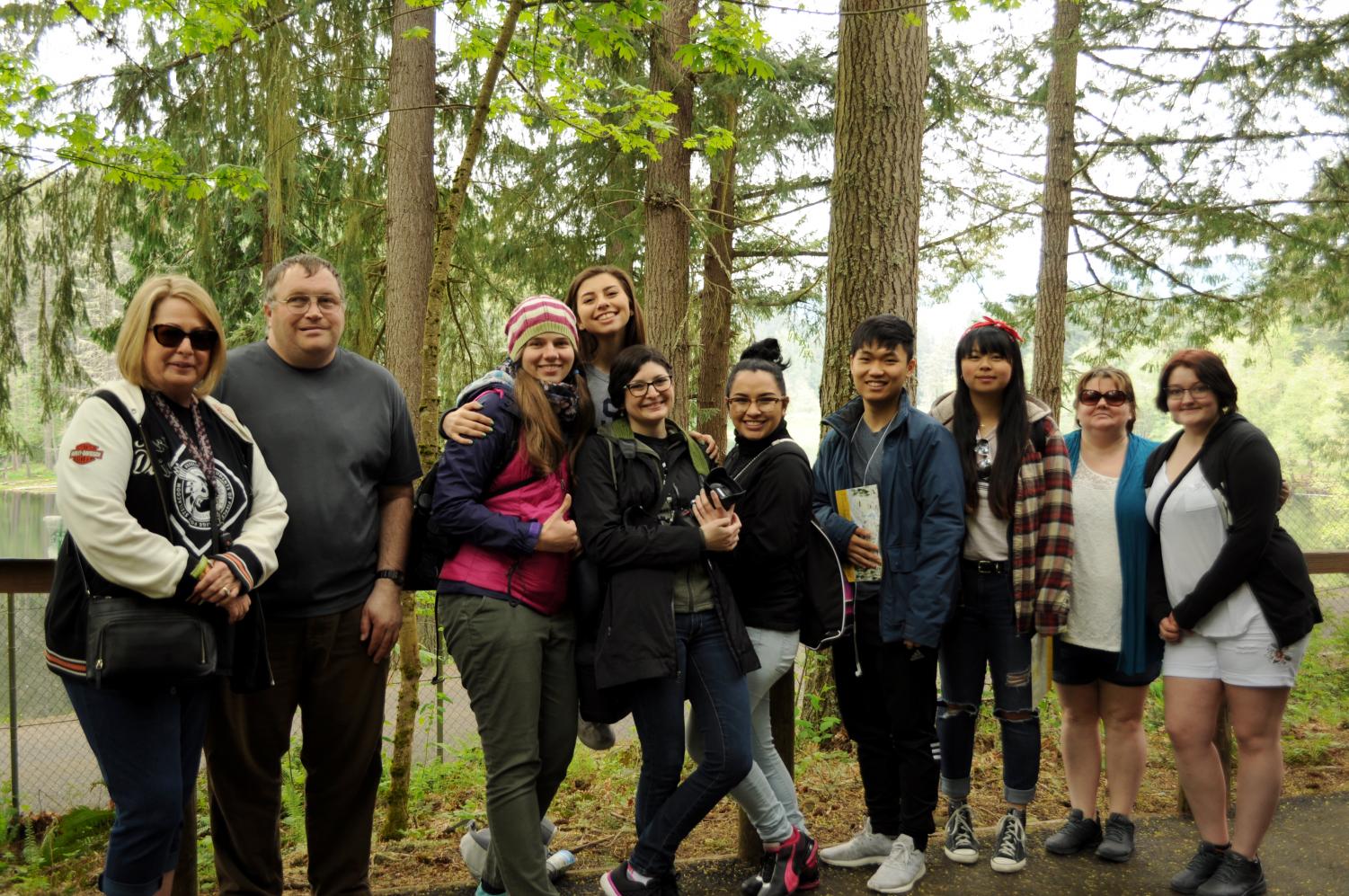
The group from Pierce College waiting for the tram ride. From left to right: Allie Morrow (Student Life Advisor), Craig T. Hiblar, Marina Chetverikov, Annika Fraga (the student leader of the event), Caitlynn Willis, Kandace Artero, Huy Nguyen, Joy Kvamme, Nicola Tracy and Maya Tracy.
-
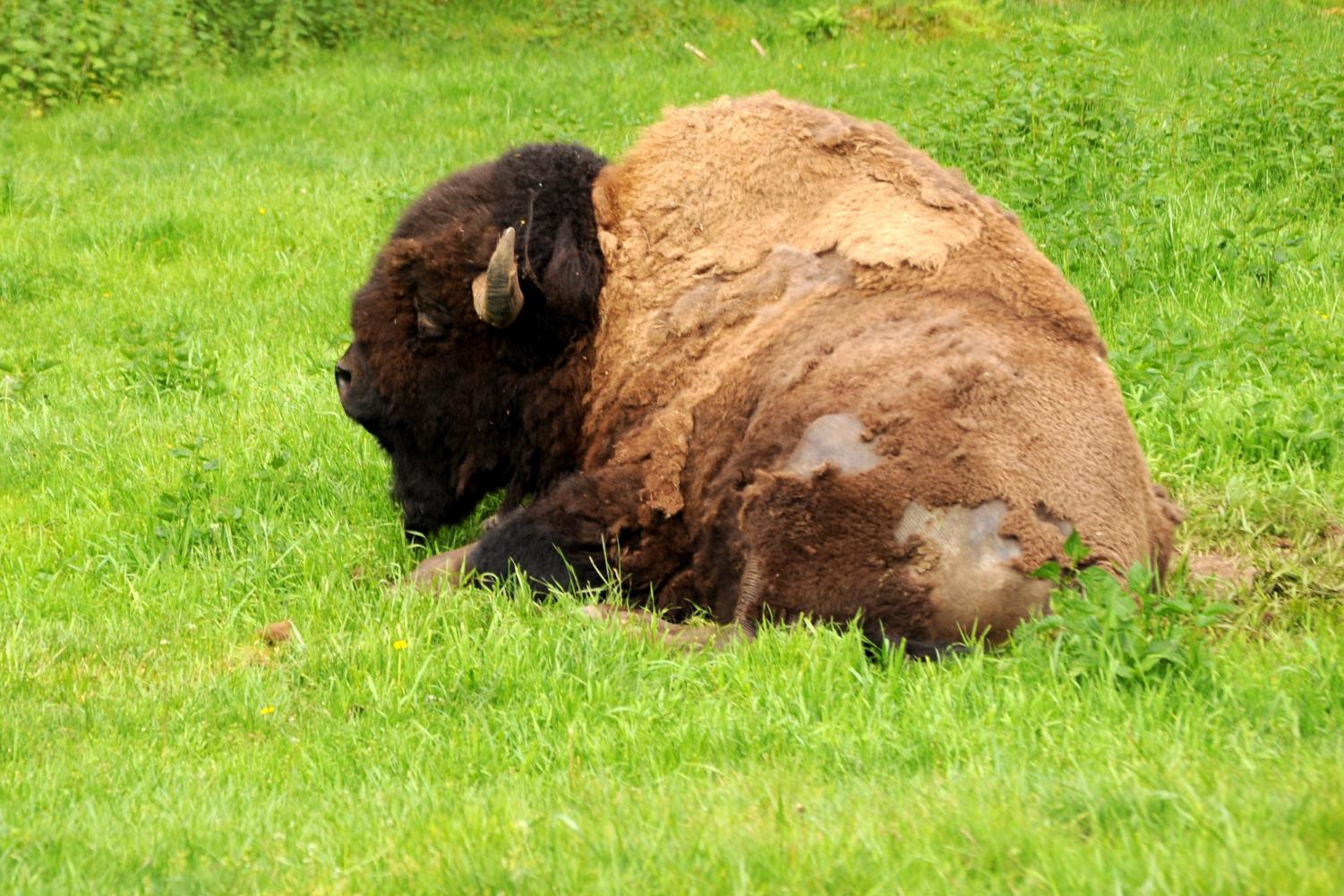
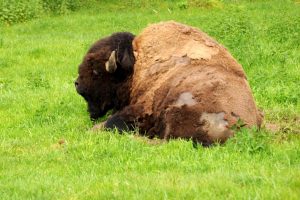
The oldest bison at Northwest Trek was off by himself away from the other bison.
-
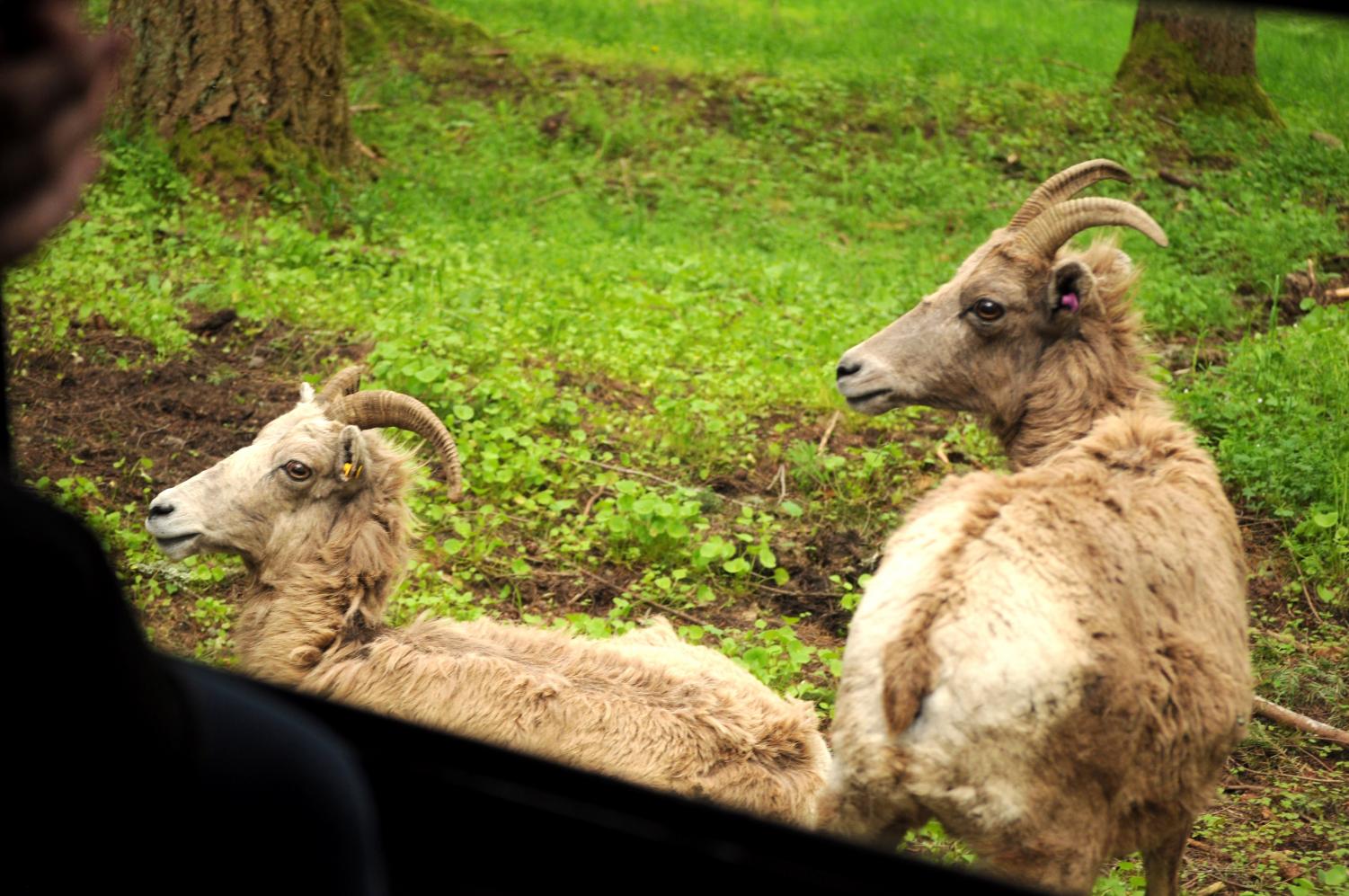
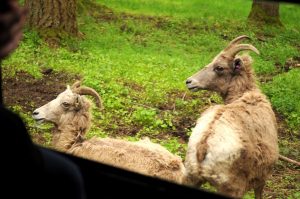
Two female bighorn sheep that the tram passed on the 45 minute drive through the park.
-
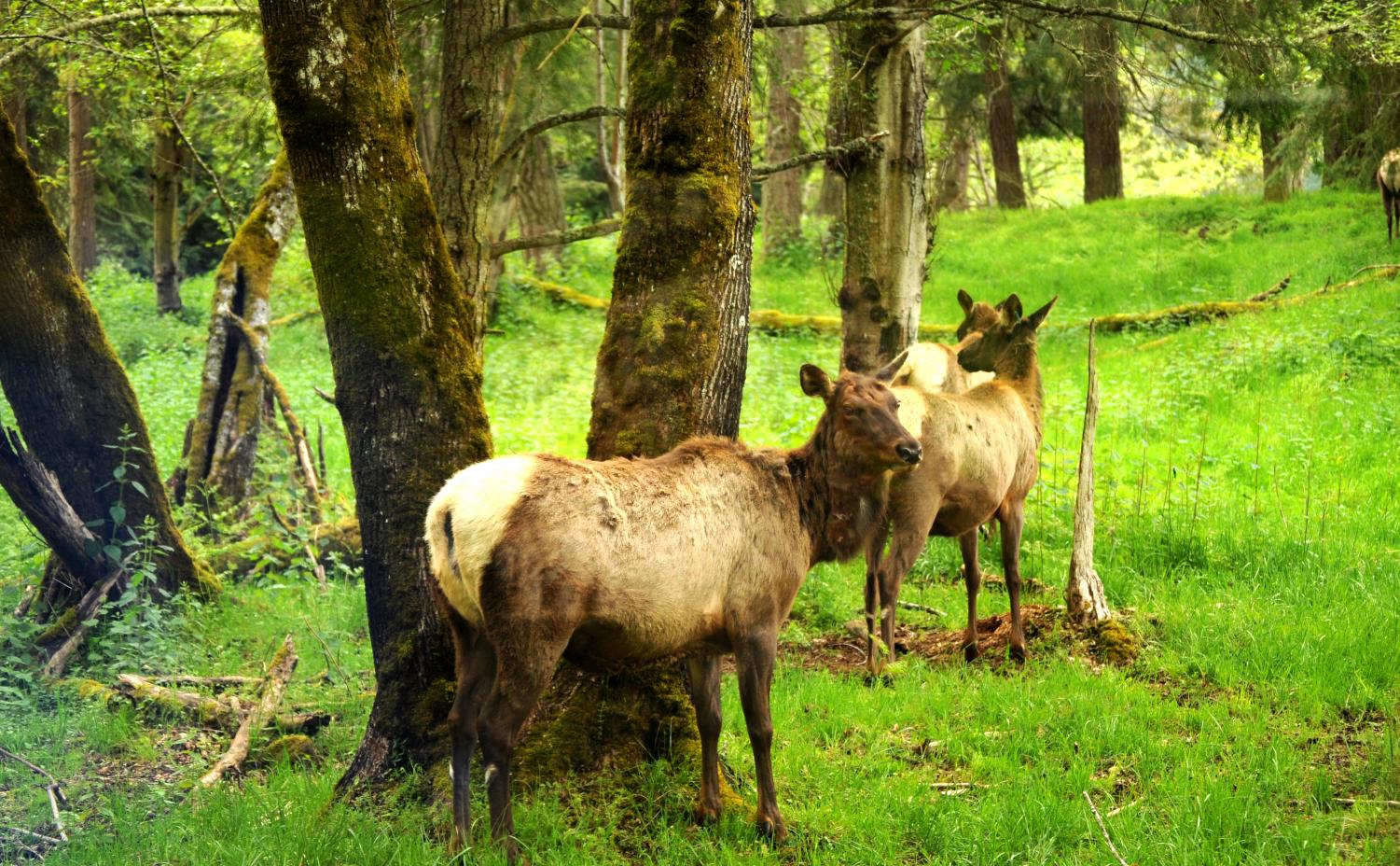
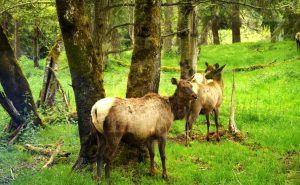
The free-roaming area that the tram drives through includes many animals, including these female Roosevelt elk.
-
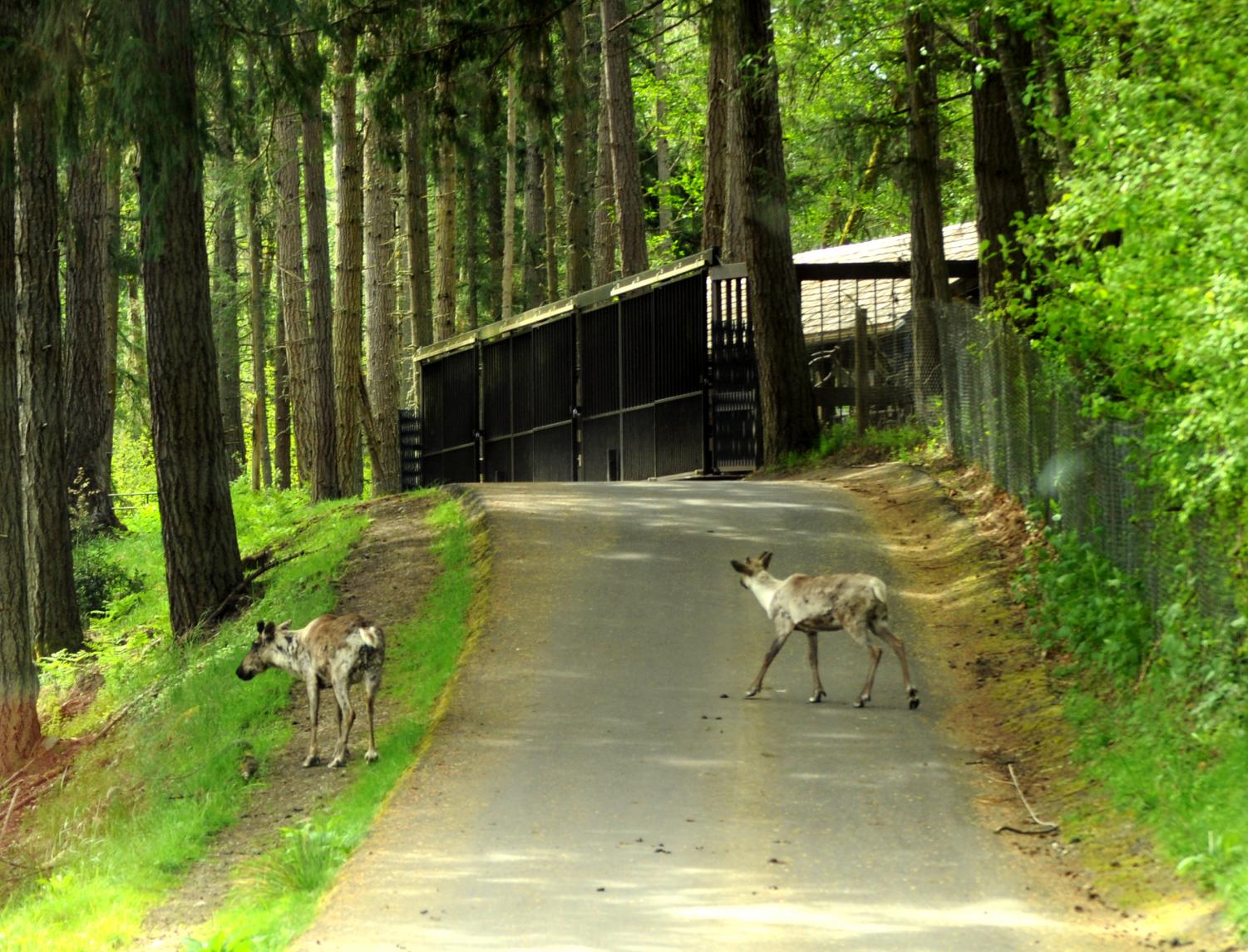
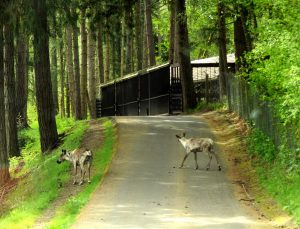
These young elk didn’t seem at all concerned that they were in the road and the tram was coming.
-
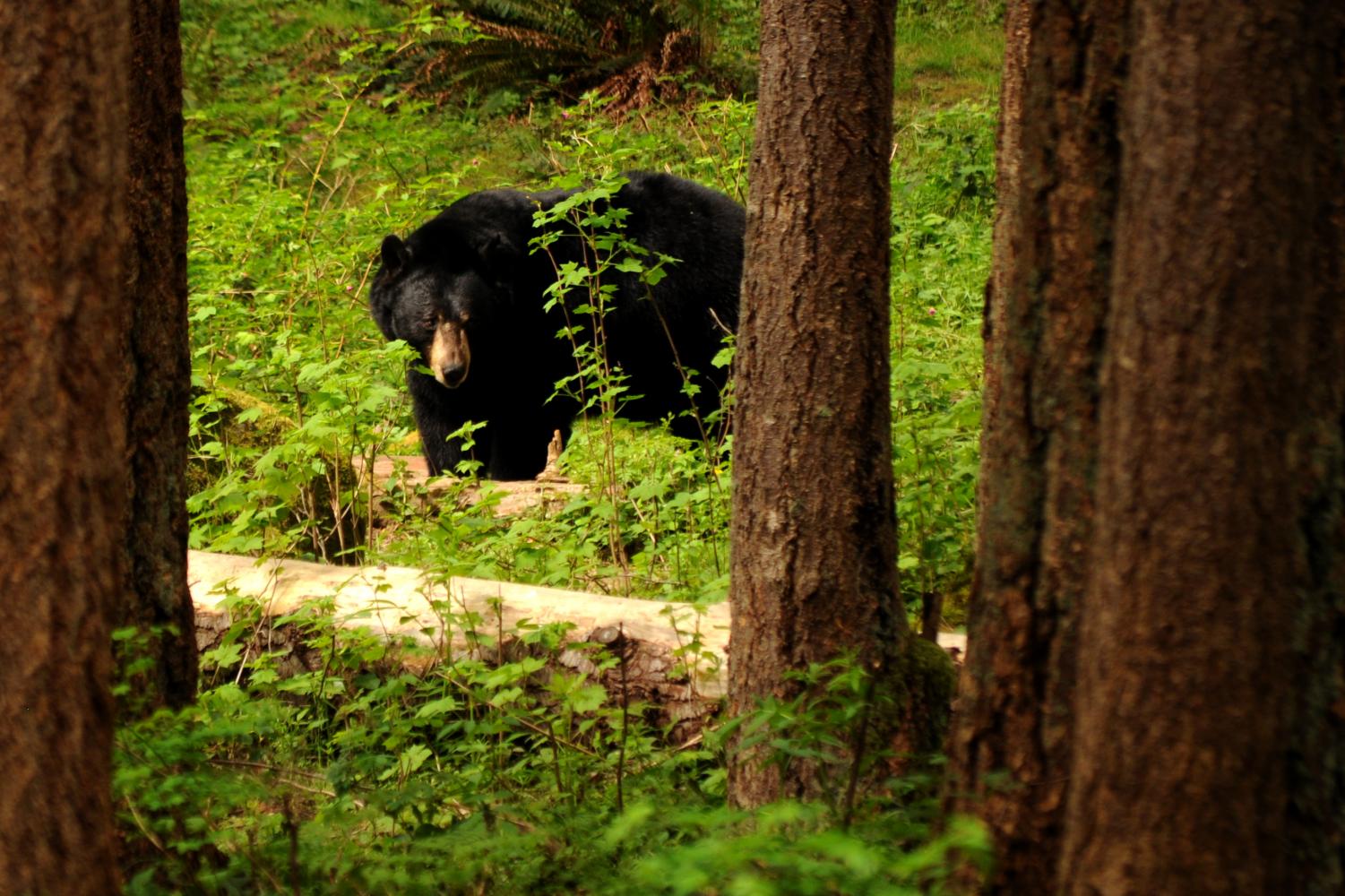
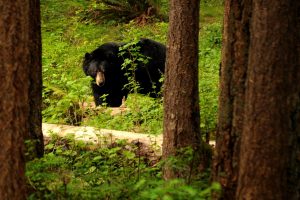
Most of the bear exhibits were closed for renovations, but there were two black bears that visitors could see.
-
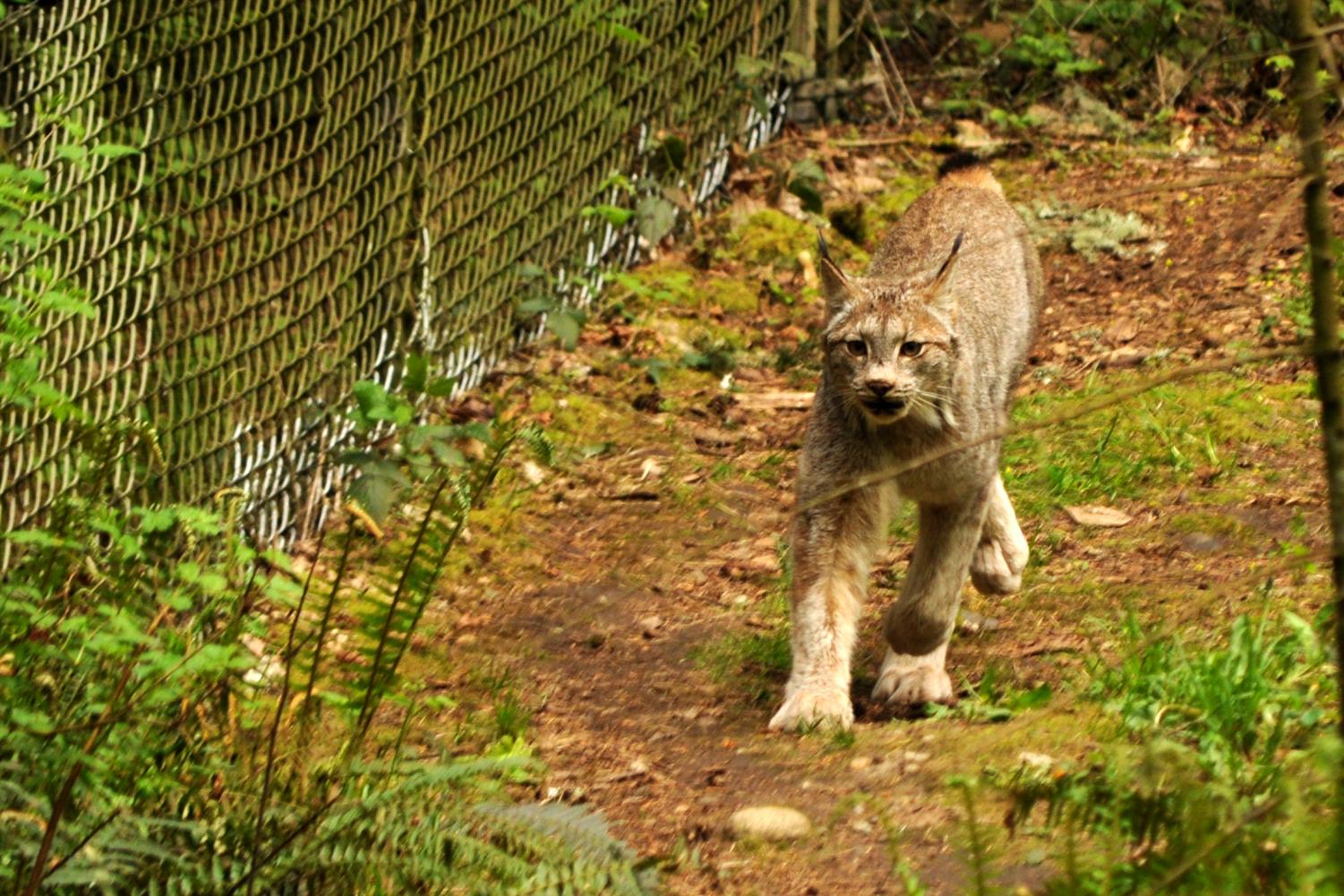
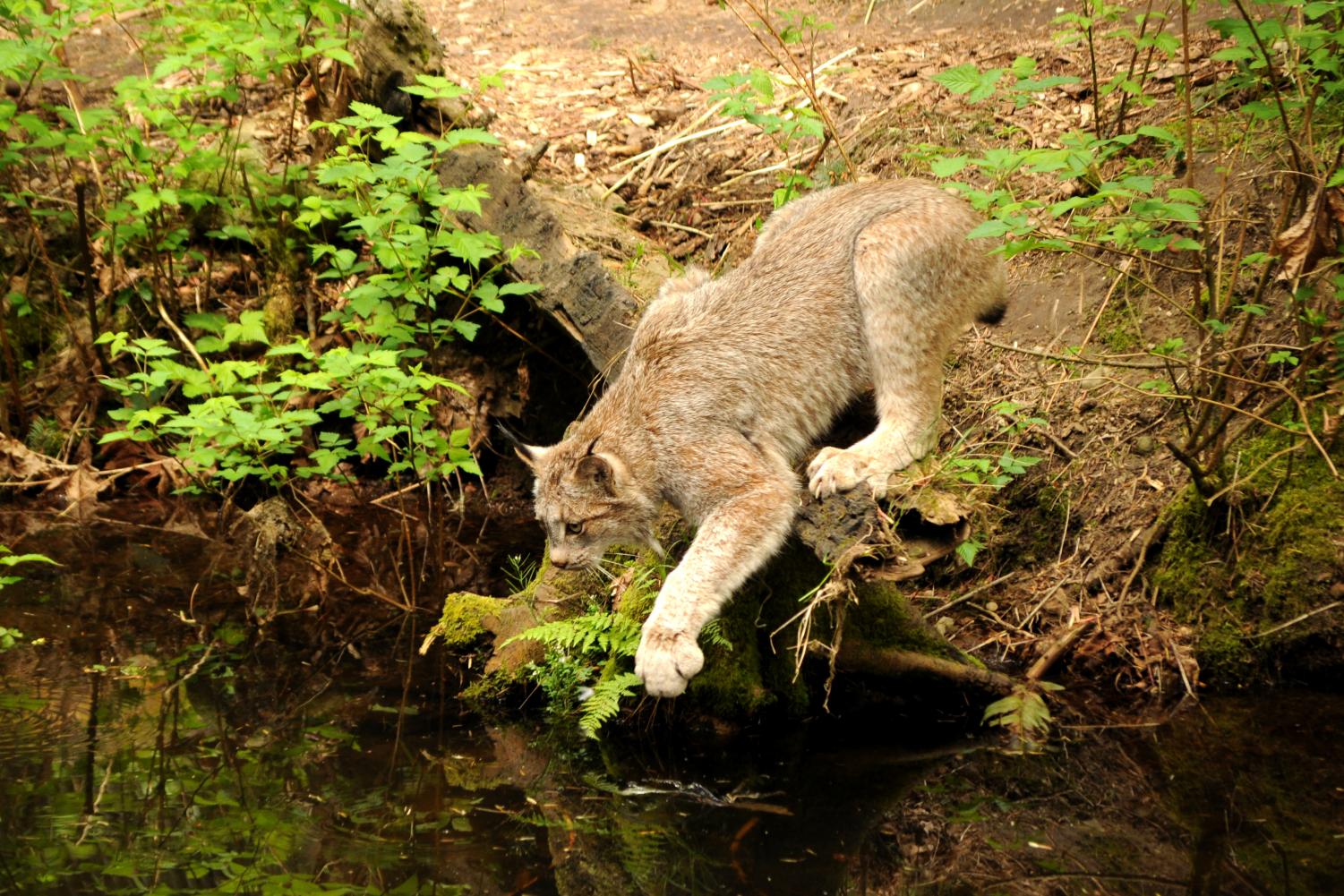
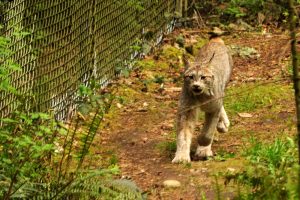
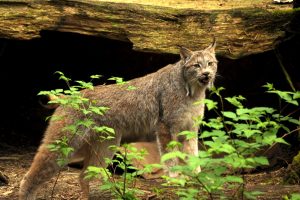
Nuka is a young lynx cat. She is very active and playful. Lynx’s big paws are perfect for stalking prey in the snow.
-
To read more about Nuka go to https://www.nwtrek.org/nuka/
-
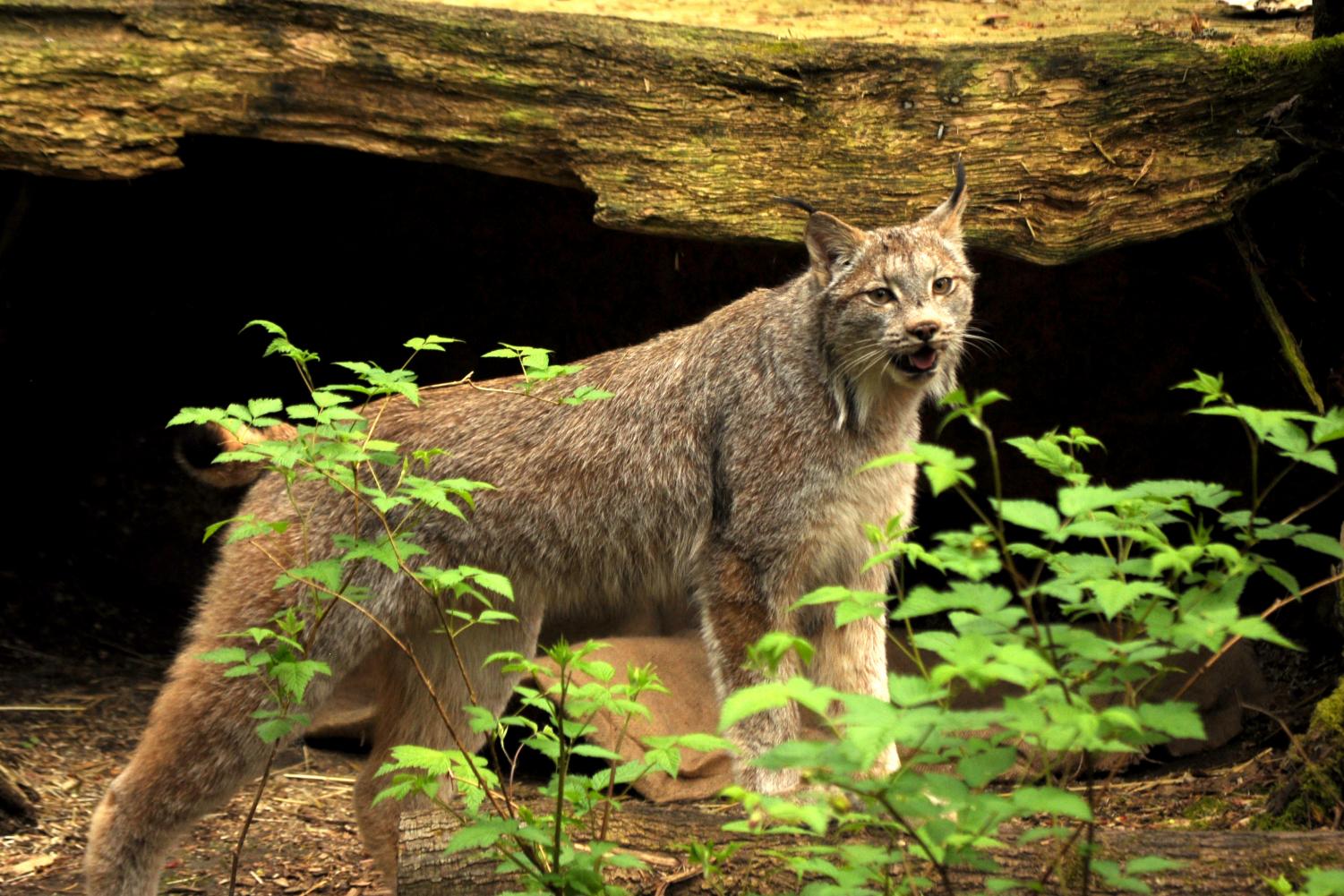
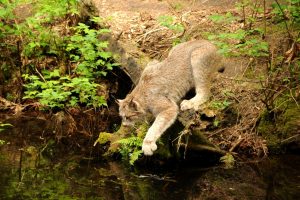
At times it looked like Nuka was ready to jump into the water, but she just was just going after a drink of water.
-
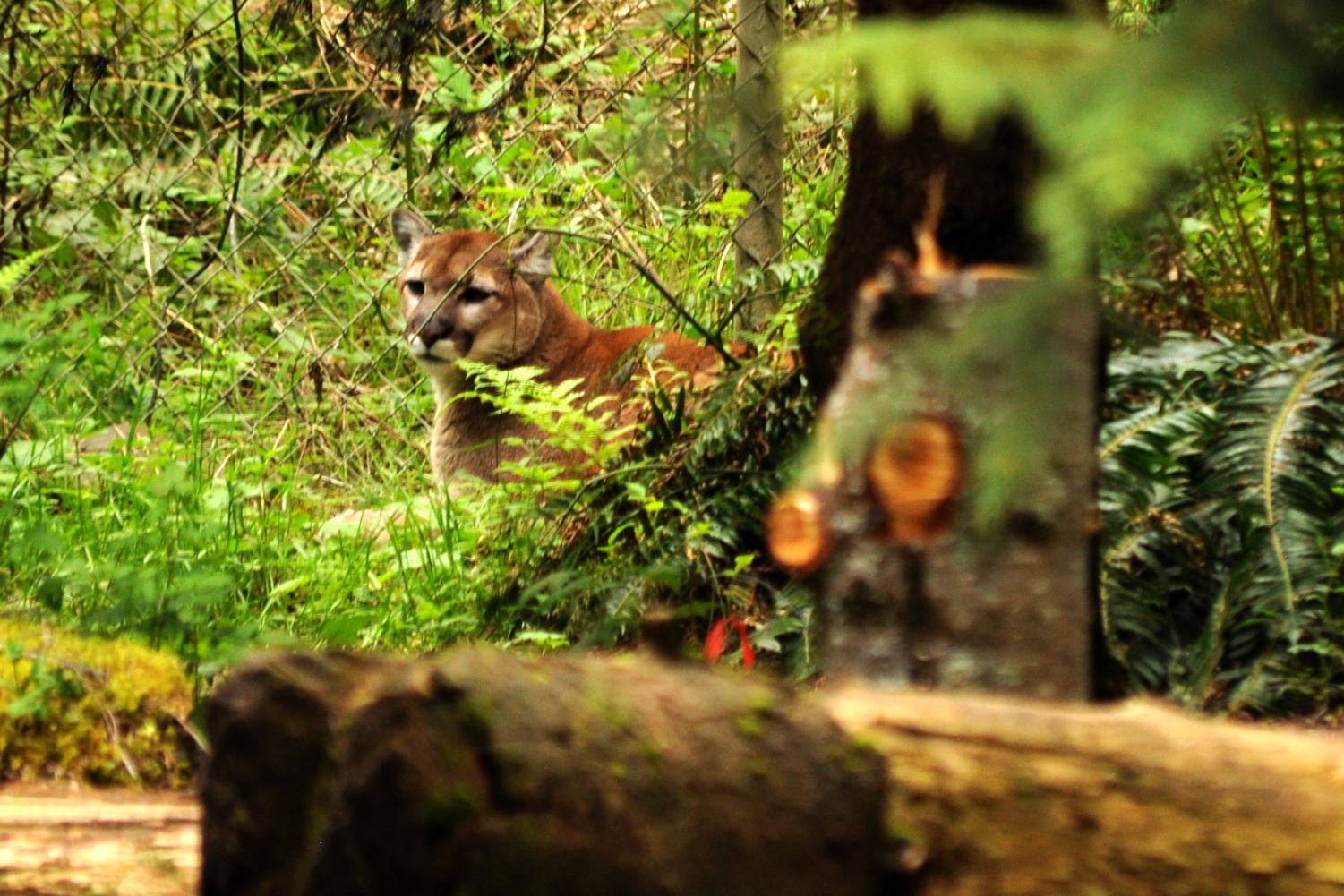
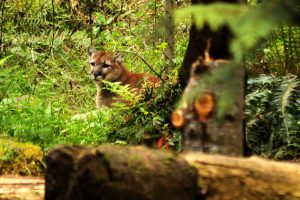
Like many of the animals at Northwest Trek, this cougar was hiding back in the brush of his habitat.
-
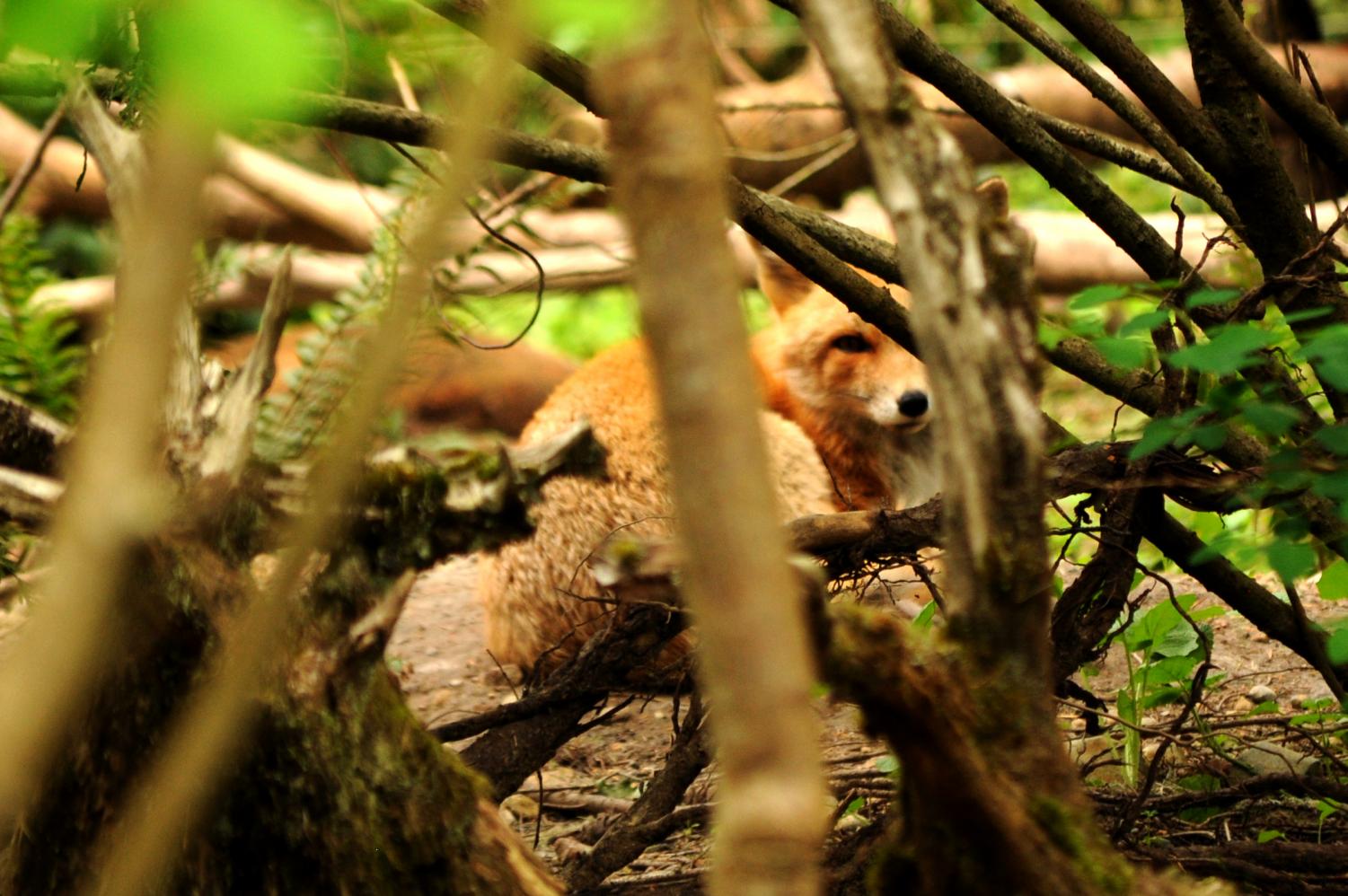
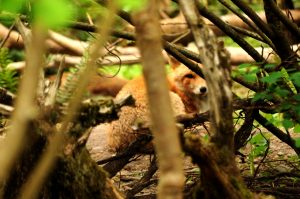
This fox was very hard to find the exhibit.
-
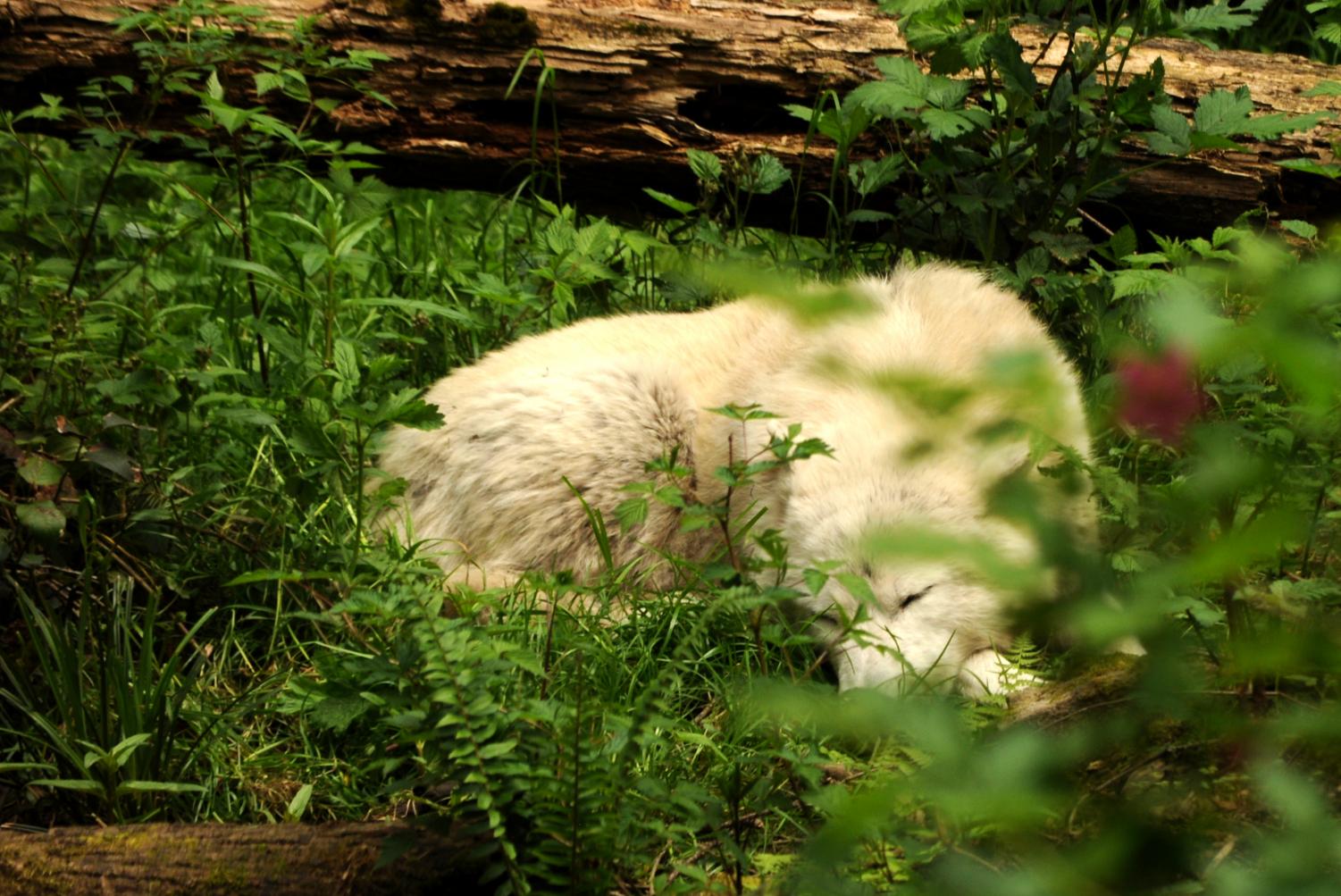
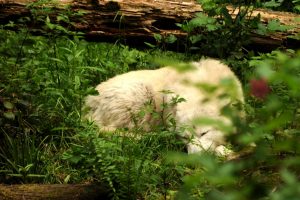
The gray wolf was taking an afternoon nap.
-
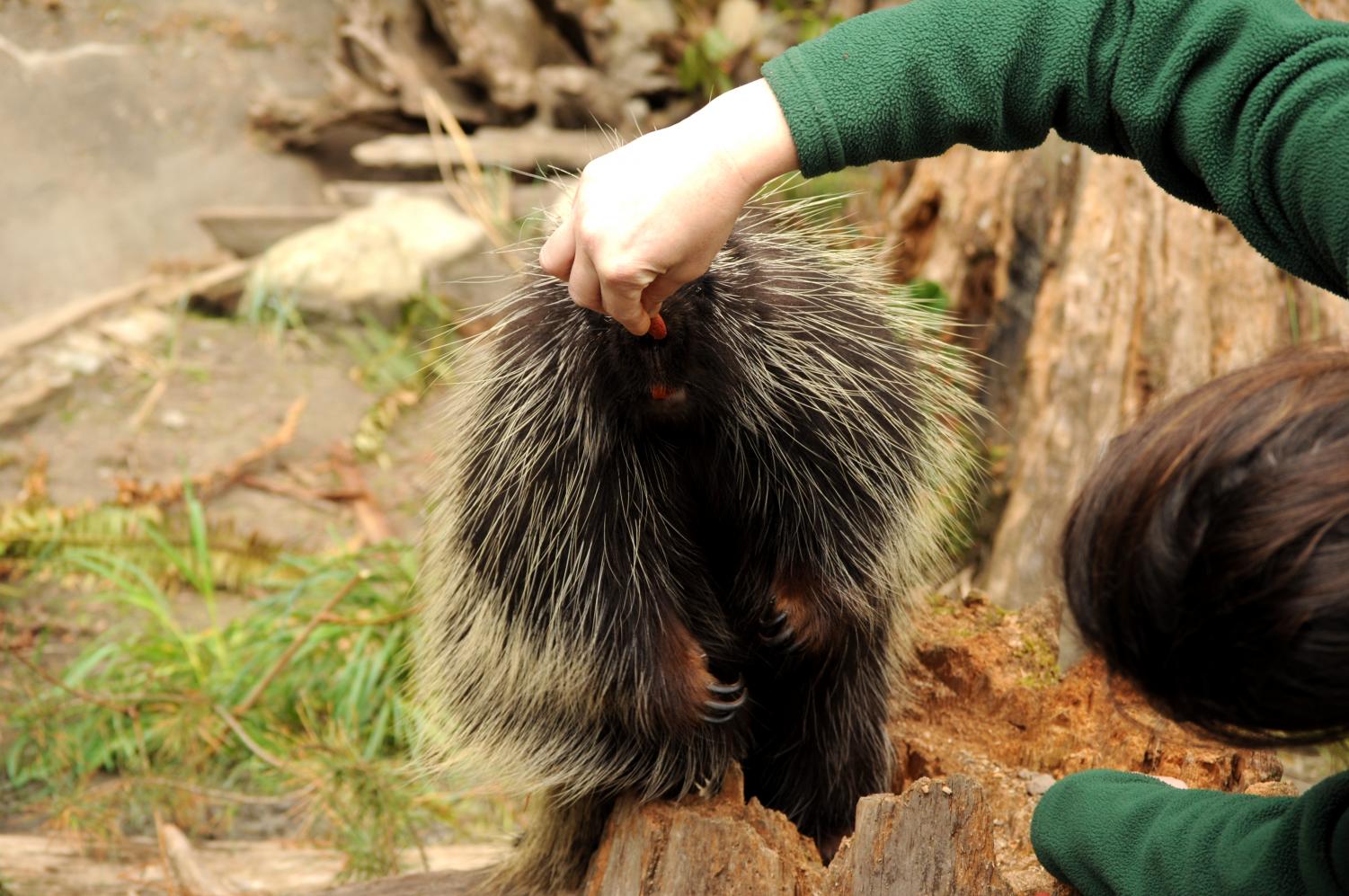
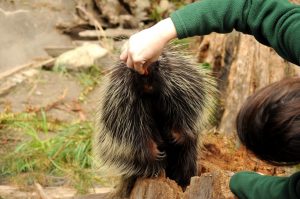
This porcupine’s name is Thistle. The keeper explained that a porcupine’s quills feel more like a cat’s whiskers. Thistle was enjoying being hand fed by the keeper who was showing several visitors that the enamel on the front of a porcupine’s teeth are orange.
-
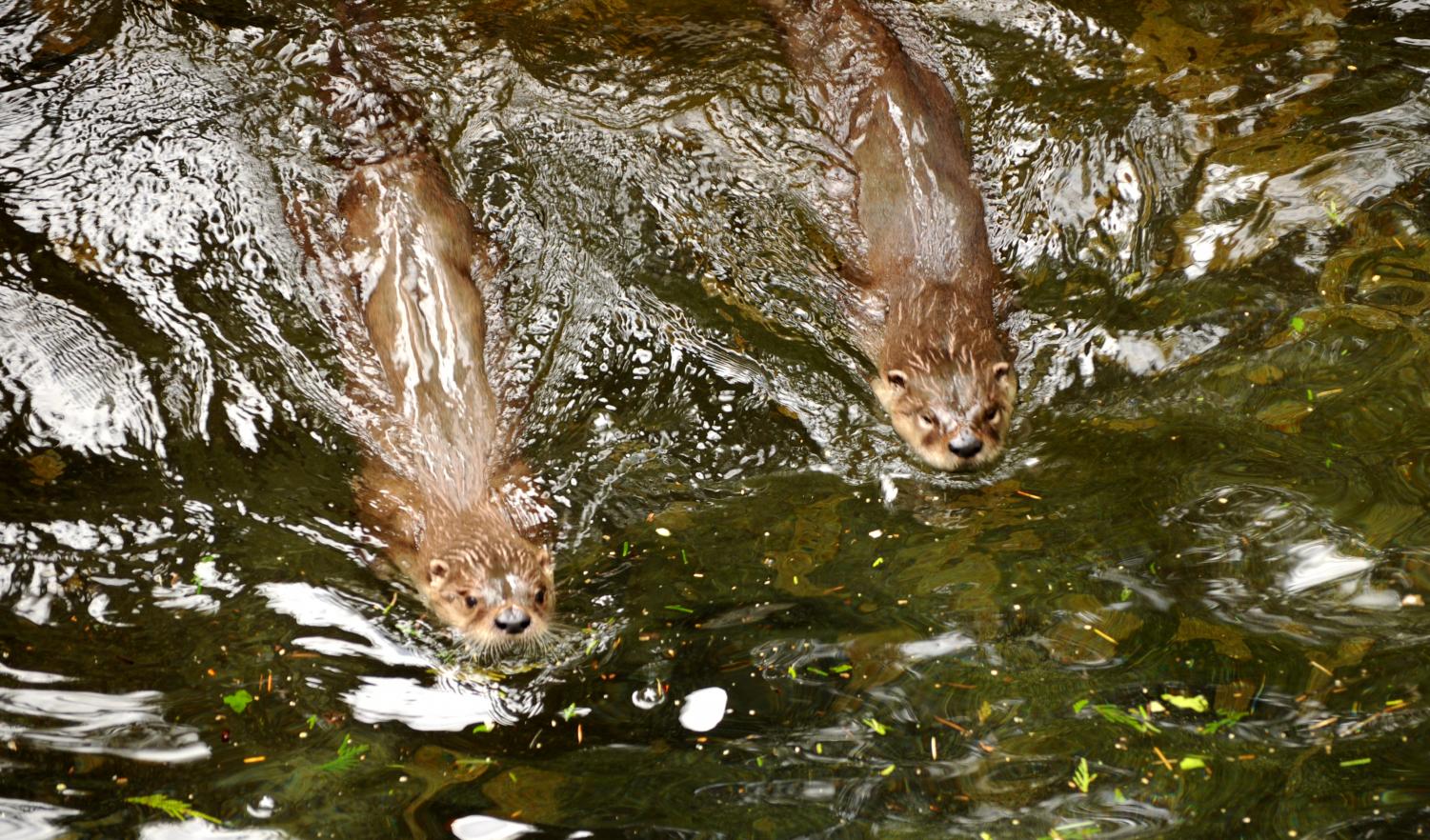
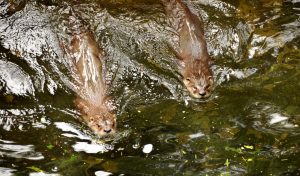
Northwest Trek has two very playful river otters who were busy swimming.
-
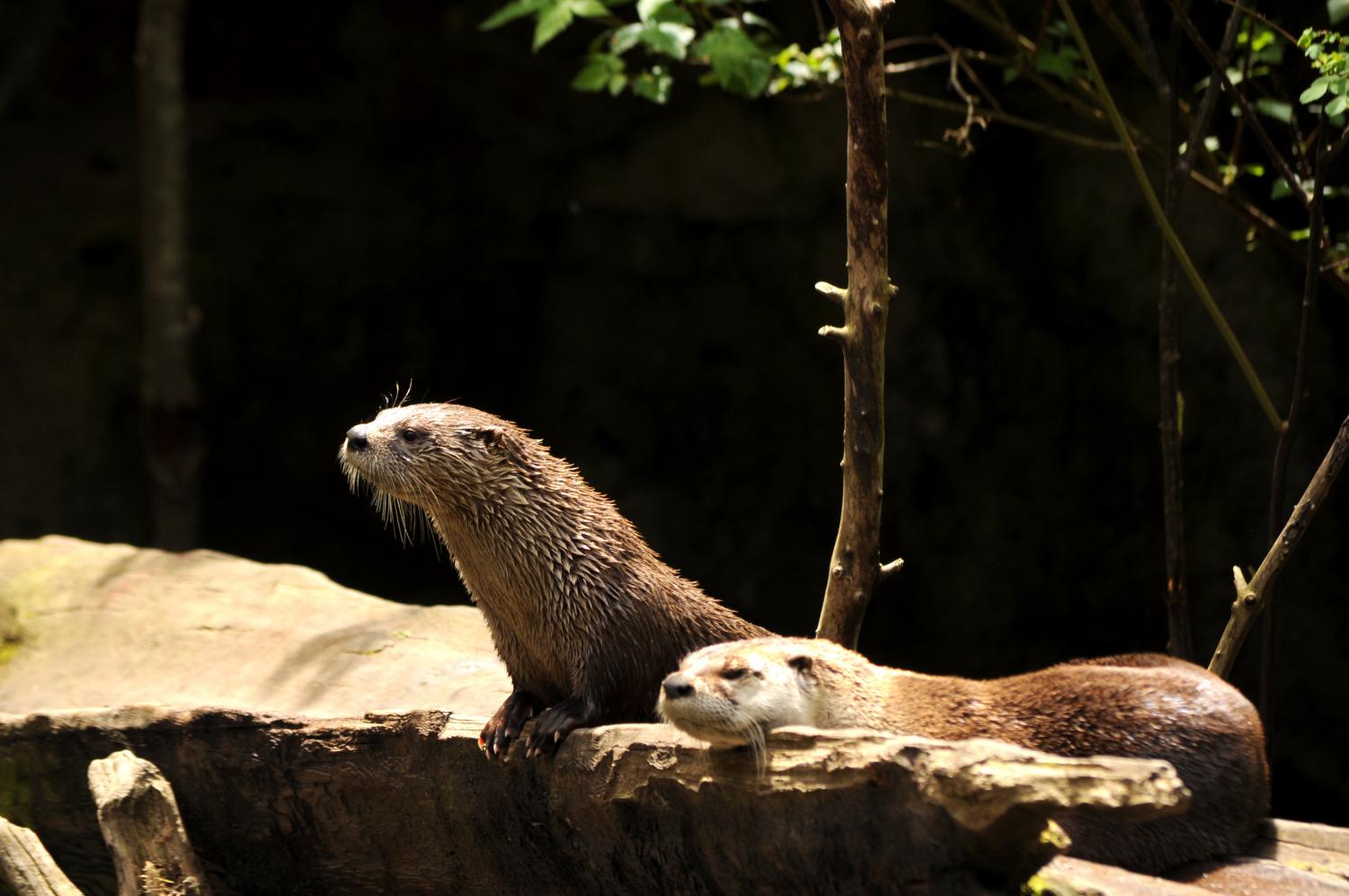
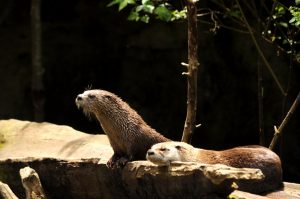
When passing back by the river otter exhibit, it looked like the otters were worn out from swimming and ready for an afternoon nap.
Kaitlyn Smith is one of the tram drivers and a naturalist employed by Northwest Trek. She frequently has to stop for animal roadblocks every now and then. “There have been times when the woodland caribou have run right at the tram, thankfully I did not have to stop for them, but I have had to slam on my brakes once because I saw a snake going across the road,” Smith said.
There are three ways to view the animals at Northwest Trek. The tram tour, the walking tour and the nature trails.
The tram, which is the most popular method of transportation, takes the visitors on a 435-acre tour to view the large animals in their natural environment. There are black-tailed deer, bison, moose and big-horned sheep. The animals also include Roosevelt elk and caribou. Many smaller aquatic animals such as Canadian geese, swans and ducks populate this area as well. The driver of the tram identifies each animal species as you travel through the park.
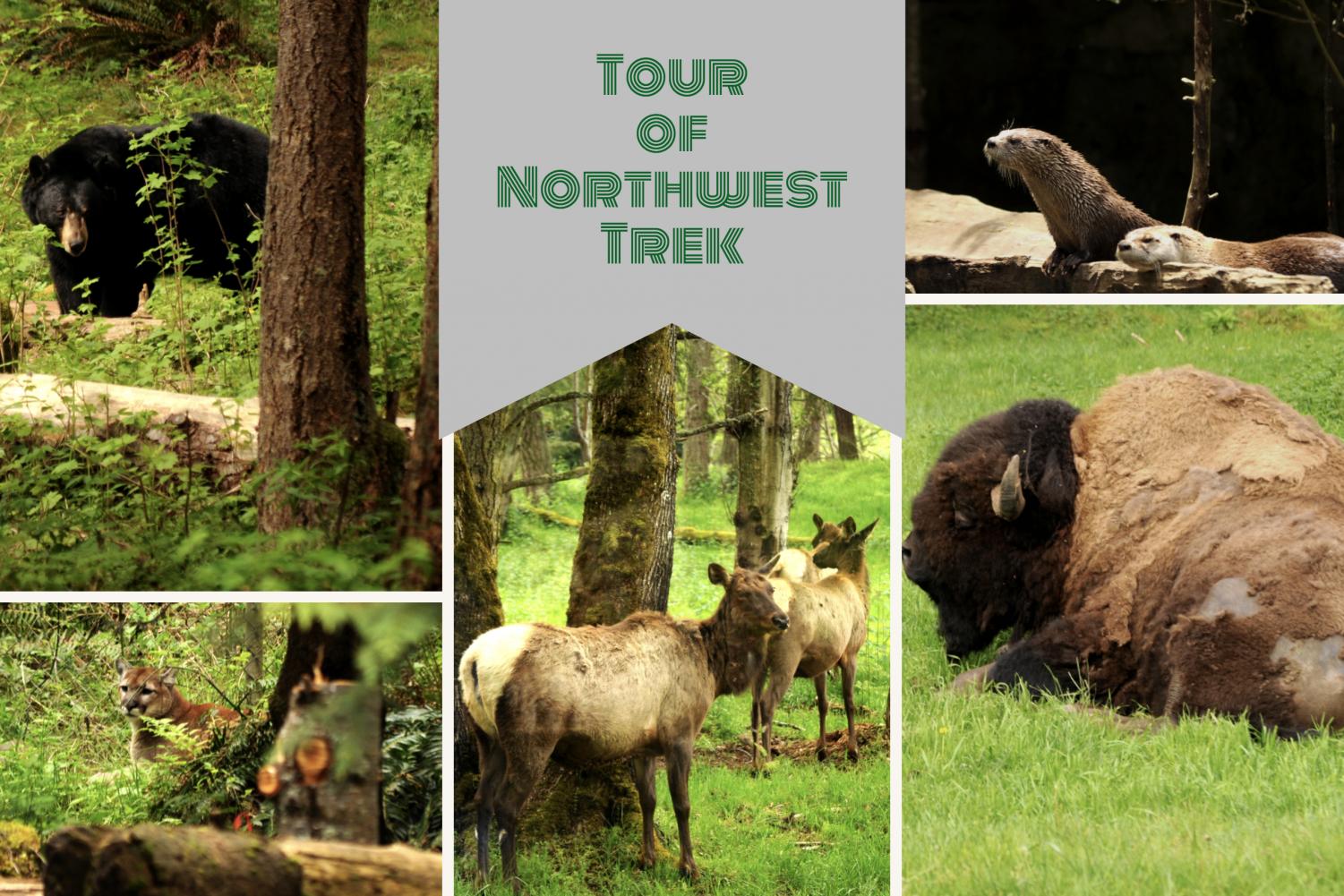
The walking tour is very similar to visiting the Point Defiance Zoo. Visitors can observe the animals in their outdoor enclosures. There are bobcat cougars, Canadian lynxes, wolves, badgers and black bears. The beavers and otters are in constant motion. They never seem to run out of energy splashing around in the water.
The walking excursion is the longest part of the visit. The tram tour lasts about 45 minutes while the walking tour can take up to two hours to complete. The animals often hide in the bushes, so you may have to wait and see if they will come out and show themselves.
The nature outing is a chance to get away from the crowds and find some solitude. This is a five-mile walk in the forest where the only sounds are the birds and the bees. If the visitor is seeking some moments of tranquility then the nature tour is recommended.
Click here to see video from Northwest Trek Wildlife Park 😉
-
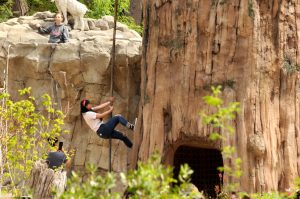
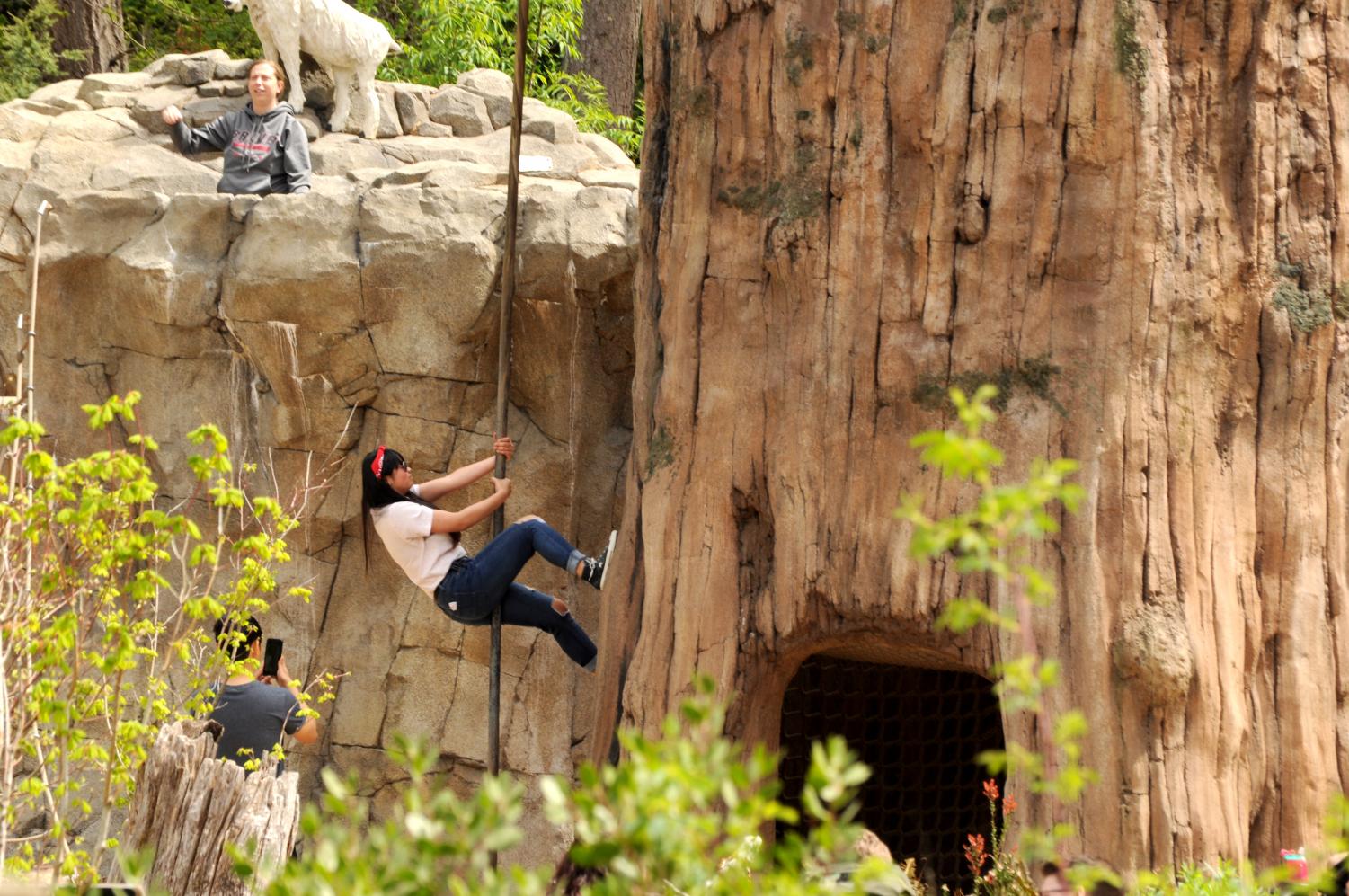
Joy Kvamme climbed up the pole in the natural looking playground.
-
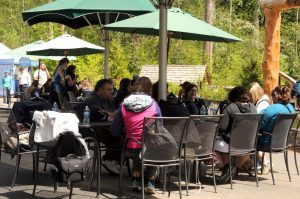
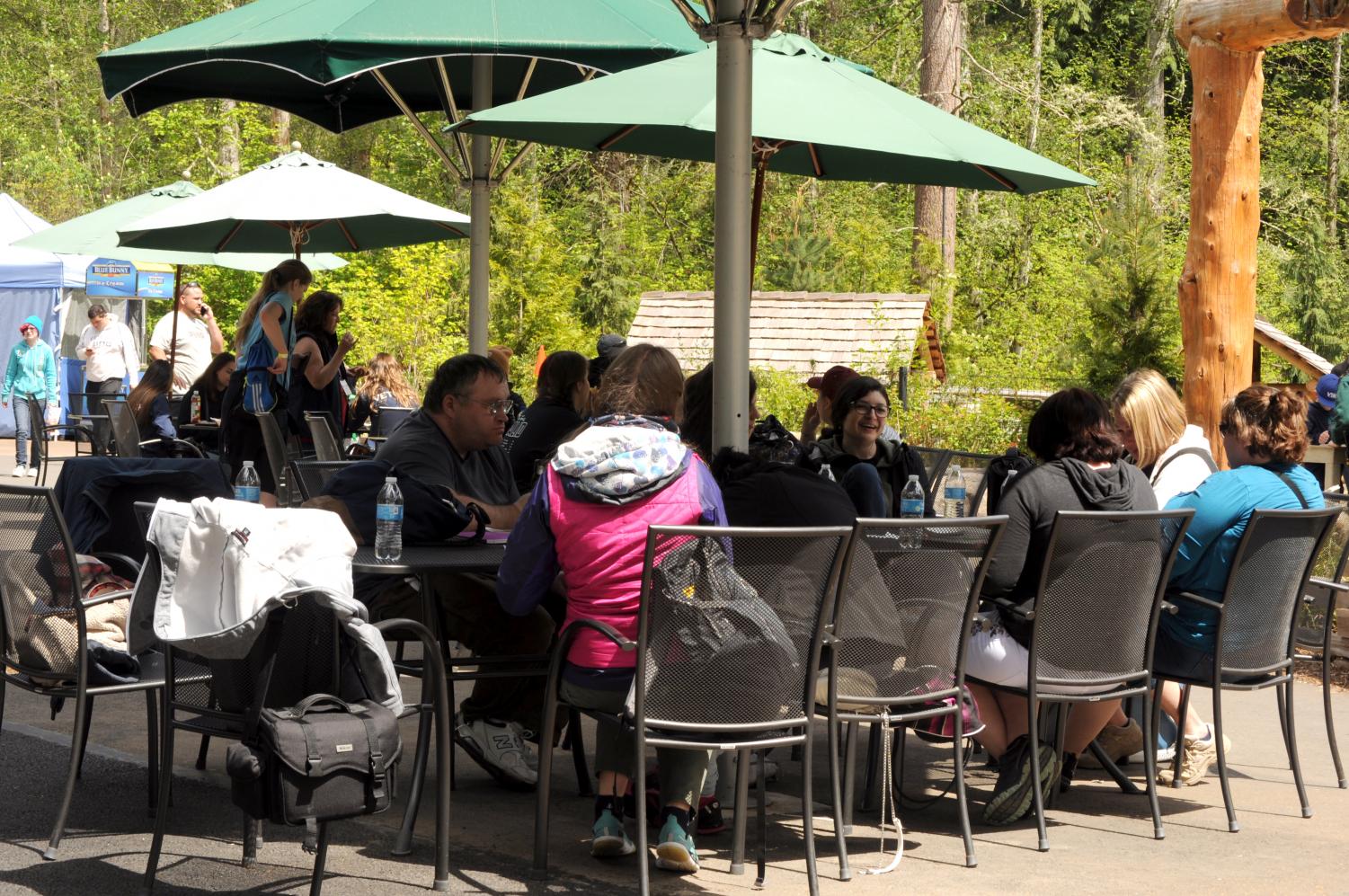
The group took a break from looking at the animals for a picnic lunch.
-
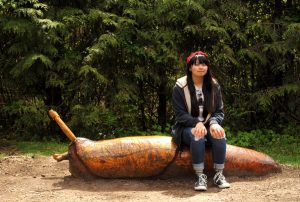
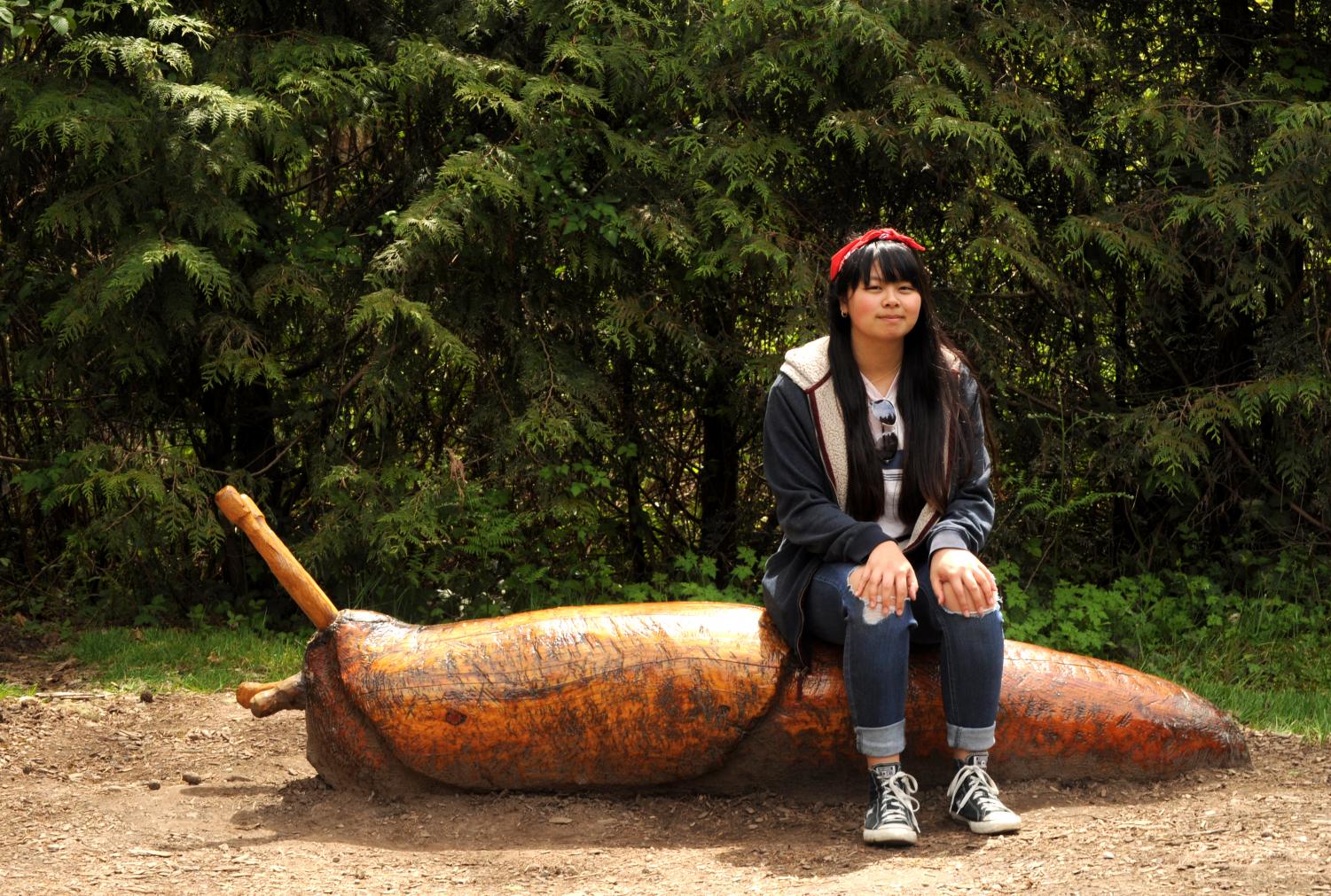
Joy Kvamme sat on a giant slug that was along one of the paths.
-
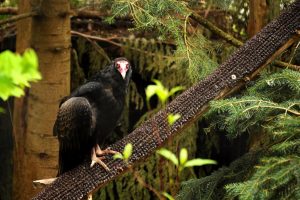
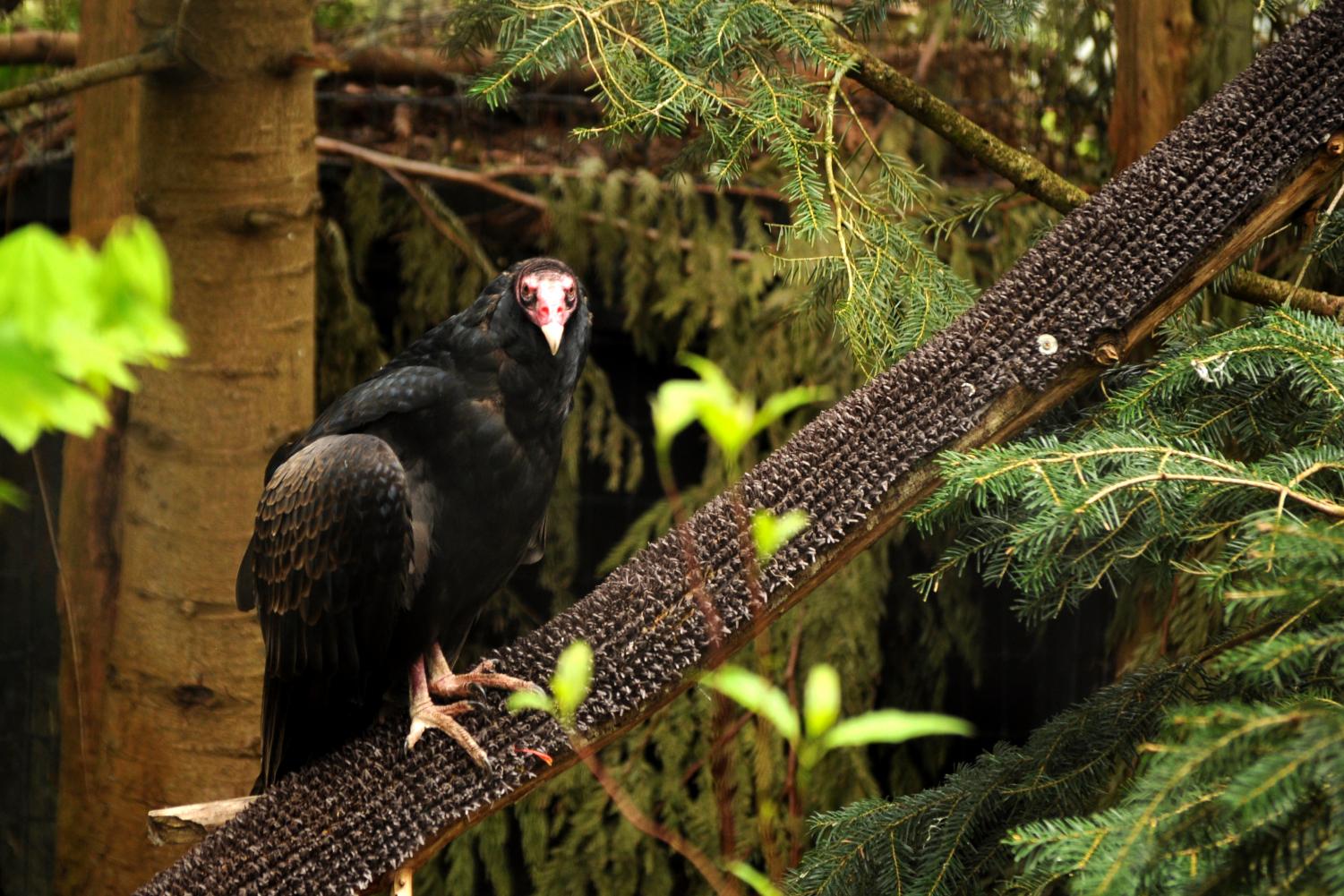
Northwest Trek has several birds on exhibit. This one is a turkey vulture.
-
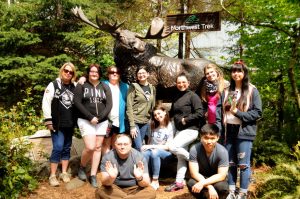
Before leaving the group stopped for a photo in front of a giant moose statue. In back from left to right: Allie Morrow, Maya Tracy, Nicola Tracy, Caitlynn Willis, Annika Fraga, Kandace Artero, Marina Chetverikov. In front from left to right: Craig T. Hiblar and Huy Nguyen.