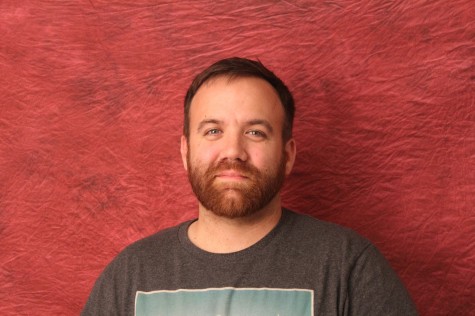
Speaker talks about genocide
Humanitarian ,Carl Wilkens, shares how he help victims of the Rwanda genocide in 1994
Wilkens asks students to say what the child in the video clip drew on the dirty car
July 7, 2026
War can change people and Pierce heard the tale of how it changed one man. Carl Wilkens came to Pierce to tell his experience and how it affected him along with those around him in the World Outside my Shoes event on Feb. 25.
This event told of the Rwandan genocide in 1994. The cause of this was due to years of Hutu oppression under the rule of the Tutsis for years prior. This built up then as Presidents of Rwanda’s plane was shot down. The Tutsis were blamed and then the Genocide began.
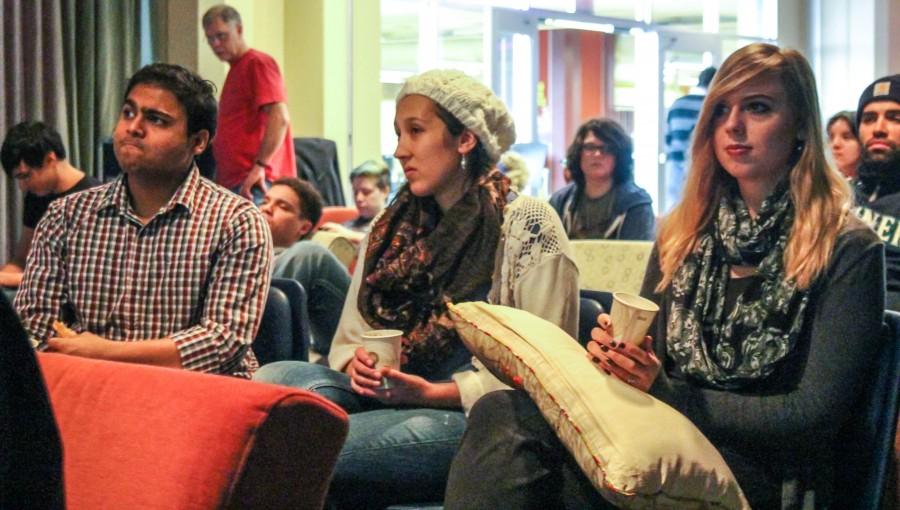
So many people attended the event that many had to stand since seats were unavailable. Students sat silent as Wilkens talked about how Rwanda is recovering. He shared his favorite clip of a child drawing on a dirty car. Wilkens said “Kids draw what they see.”
He reinforces how it’s changed by saying not long after that “90 percent of the children that survived the Rwandan genocide saw somebody get killed.” Wilkens commentated on the division at the time explaining how the Tutsis and the Hutus ,the two classes of individuals at the time, began to fight. He told how about when the Rwandan President’s plane was shot out of the air he how violence was incited. “ They said things like ‘you see the Tutsi’s shot down the Presidents plane. I told you they were the enemy.’” said Wilkens
He showed several clips and videos showing the what happened in 1994. While he did so he gave a commentary on what happened. In the video it told how he met his wife giving a small backstory.
Students watched the video as it documented the Rwandan genocide. At some point he went into how he moved supplies to places he was helping. He thought back to those he had gotten aid. He stated at this point he used to work with a colonel that loaned him a truck in the morning.
He told how he stored powdered milk, food and such there. “I would keep stuff there and give it to the orphanage in little bits because if I brought it in all at once it might get attacked again.” Wilkens said.
He helped workers and he even told how a killing crew from the militia came to his home to kill him.
Two of his neighbors came to his aid, telling them how they played with their children and how they help everyone. These women adamantly refused to let the soldiers in he said and managed to turn them away. He said he never knew this until later.
Students didn’t leave the same. Some more then others as a Martha Ampadu from Ghana, West Africa said “ What I heard was mind blowing. It was so sympathetic and it was so encouraging.”