Growing potatoes for the summer
An easy walk through to start your garden now with this durable plant.
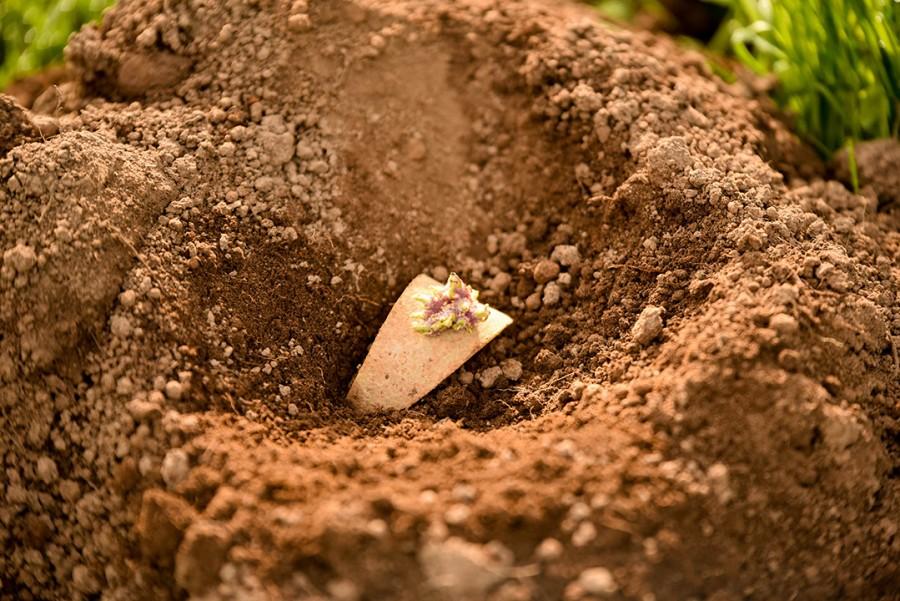
Ready to plant seed potato, with sprouted eye
July 7, 2026
Gardening is a great way to get sustainable vegetables and fruit for your family to eat. If you have never gardened before, a potato is a really easy plant to start with. With the weather warming up, this is the time to start planting them.
Potatoes are one of the most versatile things you can grow easily in your garden or even on your deck. From baked potatoes to french fries, a person can use them for almost anything. According to The Old Farmer’s Almanac, “The taste and texture of home-grown potatoes are far superior to store bought, especially the early varieties.”
There are several different ways to plant the potatoes, which all depend on the the size of area you have to plant in. If you don’t have much room, you can plant the potatoes in a garbage bag. However, you have to have enough irrigation so that your potatoes don’t rot. This may be an eyesore for yourself or your neighbors due to the black bags just laying in the middle of your garden, yard, or deck.
First thing to do is to get seed potatoes. This may sound weird since potatoes don’t have ‘seeds’. Grabbing seed potatoes from the local garden store or farm is the best way, since potatoes from the grocery store could have diseases that were passed on from the crops before it.
Each potato has several eyes where the sprout grows from. Cut the potato up into 1 inch pieces where there are at least 2 eyes in each piece. Once you cut them up, leave the pieces out for about 2 days for the potatoes to gain protective layer over the exposed area.
The next step is to get the land ready. Dig a few trenches about 4 inches deep at one foot apart in a sunny area of the garden.
Once the potatoes have a protective layer, plant them sprout up in the trenches. After the potato plants get about 6 to 8 inches tall, add more dirt on top of the plant, leaving the top exposed. This will give more room for the potatoes to grow upwards, increasing the yield.
Keep the plants watered. If there is lack of irrigation in the area, make sure the plants do not get water logged. Potatoes do best in well drained, loose soil.
After 10 weeks the potatoes should be ready. Roughly in July you can harvest the potatoes. Expect about 50 pounds of potatoes per 2 pounds of seed potatoes planted. Remove the potatoes and dust them off. Store them in cool and dry places to make them last longer.