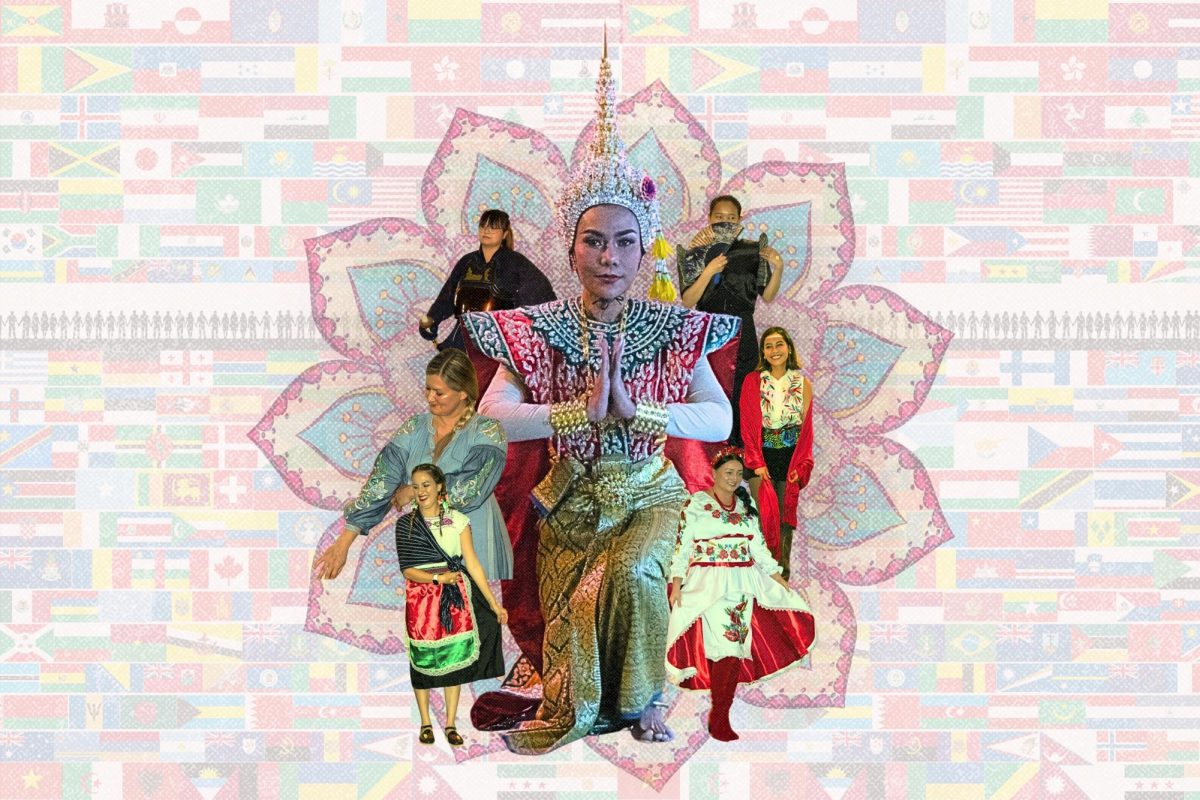
Pierce College’s first-ever International Culture Fest brought visibility to students’ experiences, identities and cultural histories during the fall quarter.
Daniels was described as the heart behind the fest hosted on Nov. 20 at the Fort Steilacoom campus in honor of the International Week 2025.
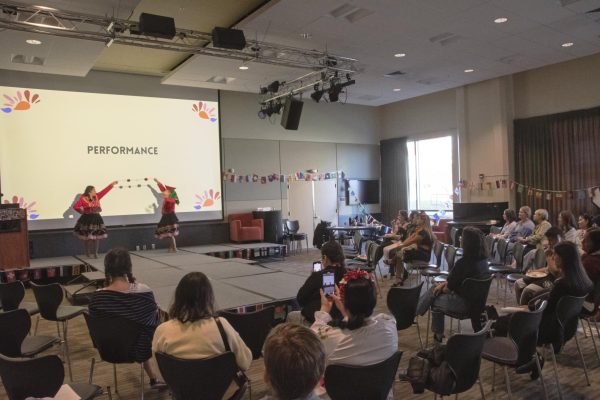
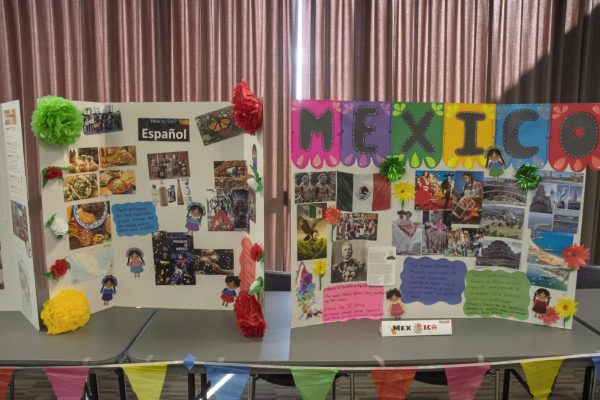
Lasting almost six hours, the fest drew participation from students, faculty, and staff. It showcased a blend of cultural expression by presenting a global fashion show, an International/English as Second Language student panel, country brag boards, and a spread of international foods and teas. While these elements were all outwardly festive, they also reflected the International Education organizers’ desire to provide a space for recognition, pride and connection.
At the interview with the event planning committee, Daniels, Susan Taylor, Monica Flynn and Nelly Ojeda Gonzalez each shared their perspectives on the goals and the planning process.
“We want to celebrate diversity and create space for people to feel like they are part of the community.” Daniels said. “We have a vision, and that is all about the bringing together.”
Gonzalez added that part of the committee’s intention was to bring broader awareness to the presence of international and migrant student groups on campus.
“People don’t always realize how many of our students come from different countries and the work International Ed does to support international students every day,” Gonzalez said.
Flynn noted that the department can feel tucked away, often unintentionally overlooked, and that International Week gives it an essential opportunity to be visible.
“We love International Week by itself because it lets us show that we are here, this is who our students are, and this is our program,” Flynn said.
Taylor emphasized that the event was designed not only to uplift international students but also students with cultural identities outside the U.S. and ultimately to bring the entire community together.
The organizers were asked if there were any specific metrics they had referred to while planning the event.
Daniels, who was the event lead, explained that the team hadn’t spent much time defining measurements of success.
“We didn’t really discuss the metrics or how we were going to identify what success looks like,” she said. “But it was interesting because we all had the same vision and goals, and we were able to collaborate effectively even without spelling out the measurements.”
Despite the lack of formal criteria, certain indicators stood out naturally. Gonzalez mentioned the remarkable number of countries represented across the brag boards and student participation, and Flynn laughed about the team running out of food far earlier than expected, which proved the strong turnout.
Daniels further expressed that for her, success was most visible in the smiles of students when they walked confidently in their traditional attire. Many of them had long wanted a space where they could express themselves and their identities freely and proudly, and seeing that joy firsthand felt like the truest reflection of what the event was meant to create for the team.
The committee described the planning process as one built on trust and collaboration. According to Daniels, the student panel originally had eight or nine possible questions, but through discussion they narrowed the list to ensure the conversation stayed meaningful and manageable. Ideas came from everyone in the International Education office; Mary Meulblok, international student services manager, suggested including teas from various countries, Flynn pushed for including food from multiple cultural backgrounds, and many of the ESL students volunteered for the fashion show and helped design the brag boards.
Students even stayed late to finish pieces for the event. Daniels said the team’s passion made everything possible.
“They made things happen,” she said. “I didn’t feel like I had to carry everything because I know that I could rely on these people.”
Student engagement was one of the strongest parts of the event, they said. Gonzalez explained that ESL and IEP (Intensive English Program) students formed the majority of participants, but domestic students and faculty were present as well. Daniels shared a moment when a faculty member told her they had no idea their student was from outside the U.S. until hearing their story on the panel.
“It was very eye-opening for them when they saw their students at the student panel sharing the background stories that they never realized before,” she said.
Taylor reflected on ways to increase faculty involvement in the future, such as informing instructors earlier so they could plan to bring classes. One attendee even learned about the upcoming Japan Study Trip for the first time at the event and decided to apply right afterward.
According to Daniels, the event also received support from campus clubs such as the Anime Club and BSU, who contributed to the country boards. Their involvement reinforced what the team had described as the broader purpose – that this event belonged not only to International Education but to the whole Pierce community.
Students spent time reading the boards, asking questions, and learning more about the international community.
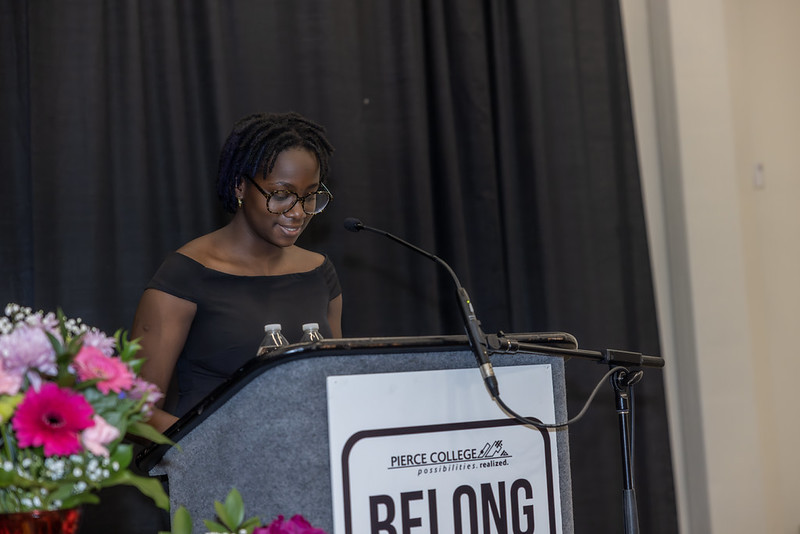
Gonzalez, who participated in the student panel, shared how meaningful it was to speak openly about her experience and feelings as an international student, especially during a time when global events have personal impacts.
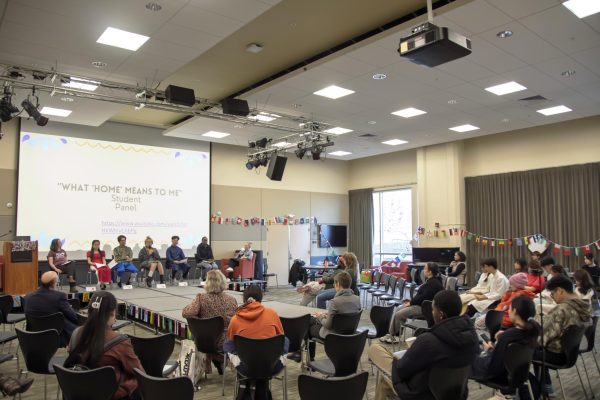
She said staff members thanked her afterward for offering perspectives they had never considered. Taylor described the event as an opportunity to honor international and migrant students and to recognize the sacrifices many have made to study here. She talked about how these perspectives strengthen Pierce’s mission of building diverse communities, and a lot of International Education’s work toward this event is to allow such form of, as Taylor described, “grassroots diplomacy”, to help people pay attention.
Flynn reflected on how important it is for people to hear stories directly from students, not as distant news subjects but as people with families, histories and daily lives. She said student panels mattered because they allowed room for real emotions, not just formal presentations. Daniels added that many international/migrant students in the past felt ashamed or hesitant to share their culture, and that events like this help them understand it is not only okay but also meaningful and valued.
“It’s not just okay, it’s necessary. The healthiest ecosystems are the ones with the most diversity. It is integral,” Flynn said. “Without it, we would be the weakest.”
Organizers hope to begin planning earlier for next year’s fest and to collaborate with more departments while building more intentional participation from faculty and domestic students.
Daniels said she hopes domestic students will join more activities next time.
“Identity isn’t just something international students have to figure out,” she said.